100 monumental novels from literary history

Most 4,000 years agone, an unknown scholar in ancient Mesopotamia wrote the first known volume on a series of dirt tablets. The story was "The Epic of Gilgamesh," a fictionalized recounting of the life of an ancient rex of Uruk. While the fine art of telling stories dates back fifty-fifty farther, this singular epic poem is in big part responsible for the development of literature as we know information technology today.

In the millennia since this story was get-go written down, there have been millions, if not billions, more than books written and published. A voracious reader could charge through a stack a 24-hour interval and not even make a dent in the earth's literary canon. This truth poses a problem for many readers: How does one know which few thousand books to read in a lifetime? How do you determine which are worth the time and brain space, and which are non?

Today, Stacker helps readers solve this age-sometime quandary—at least when information technology comes to novels. We've dug through the literature of the world, using sources similar Goodreads, awards lists, and New York Times Best Seller columns to round upwards 100 monumental novels anybody should read before they die. These books are important for a variety of reasons. Some fabricated the listing because of the powerful stories they tell. Some made the listing because of the mode their form or mode changed writing as a whole. Some made the list because of the representation they give to underseen and undervalued cultures or identities, and some fabricated the list simply because, like "The Ballsy of Gilgamesh," their very being inverse the course of the globe.

Two caveats to note before diving into the post-obit pages. Only novels (including some ancient ballsy poems) were considered for the list. So many important and influential authors, like William Shakespeare and Niccolò Machiavelli, have been left out, not because their contributions aren't groovy only because they never authored long-form fictional narratives. Also, for many of these works, especially the earlier ones, an exact publication date is difficult to nail downwardly. In an attempt to remain consistent, nosotros consulted Goodreads for all publication years.

So, from ancient Greek epics like "The Odyssey" to mod hits like "Harry Potter and the Wizard's Stone," read on to find out which novels Stacker considers must-reads.

Y'all may also like: Which state is this 'Jeopardy!' clue well-nigh?

1 / 100

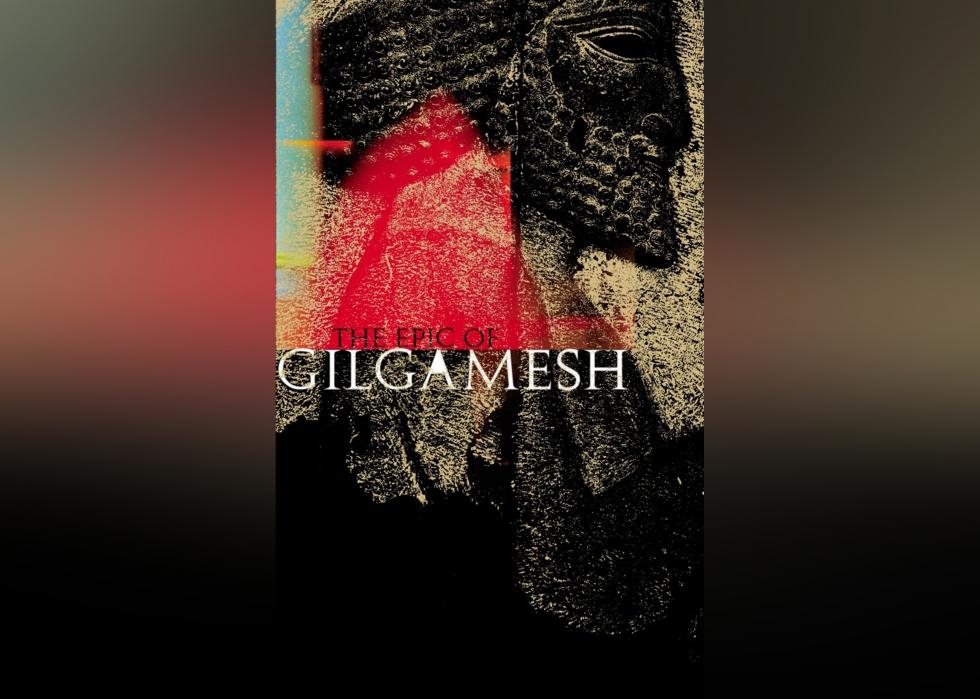
The Epic of Gilgamesh

- Writer: Anonymous
- Engagement published: 1800 B.C.

Literary scholars concord that "The Epic of Gilgamesh" is the oldest existing piece of written fiction in the earth. Early versions of the text, which is an epic poem detailing the adventures of a real-life Sumerian King named Gilgamesh, date as far back equally approximately 1800 B.C. Still, the about complete versions of this foundational text are more recent, dating from the twelfth century B.C.

2 / 100

The Iliad

- Writer: Homer
- Appointment published: 750 B.C.

"The Iliad" is an epic poem almost the roles of men and gods during the Trojan War. Some other foundational text of earth literature, the poem is attributed to the blind poet Homer. For centuries, scholars take debated whether Homer really existed, with many believing the poem may take actually been written by a grouping of individuals over a long period of time.

three / 100

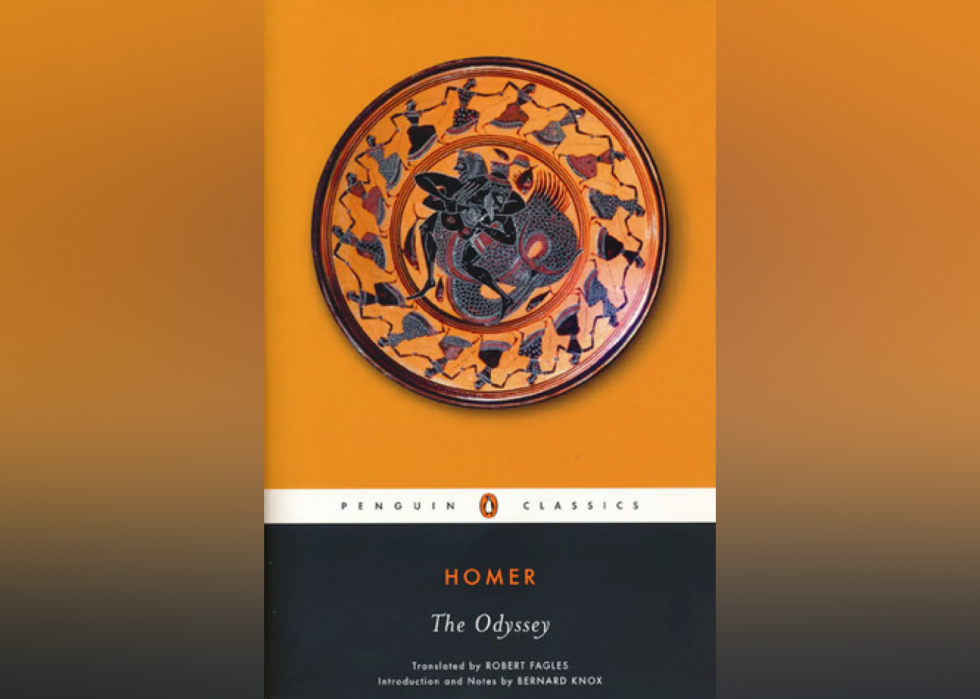
The Odyssey

- Writer: Homer
- Engagement published: 700 B.C.

You can inappreciably mention "The Iliad" without besides mentioning "The Odyssey." The epic poem tells the story of Odysseus's journey domicile from the Trojan War, every bit he battles monsters, fates, and gods to return to his home and family unit. Only as "The Iliad" set the phase for futurity groundbreaking pieces of war literature, so did "The Odyssey" set up the stage for gamble tales.

4 / 100

The Panchatantra

- Author: Vishnu Sharma
- Engagement published: 300 B.C.

Originally written in Sanskrit, "The Panchatantra" is a drove of fables and folklore that gives instruction on how to live. While the volume itself is an important piece of Indian literature, information technology'south as well representative of an entire genre of folklore, fairy tales, and fables that began to be transcribed around this time. Eventually, these types of stories went on to be the foundation for today'southward fantasy genre.

5 / 100

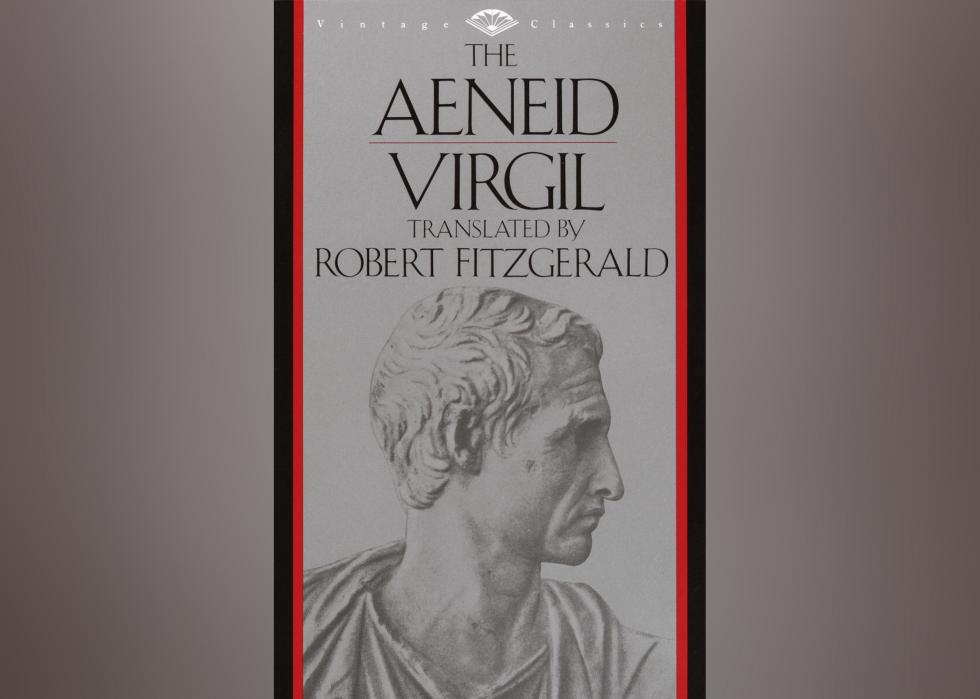
The Aeneid

- Writer: Virgil
- Engagement published: 19 B.C.

Another epic poem originally written in Latin, "The Aeneid" tells the story of Aeneas and includes legend of the founding of Rome. This tale from 19 B.C. is one of the earliest known examples of historical fiction.

You may too like: These baby names are going extinct

half-dozen / 100

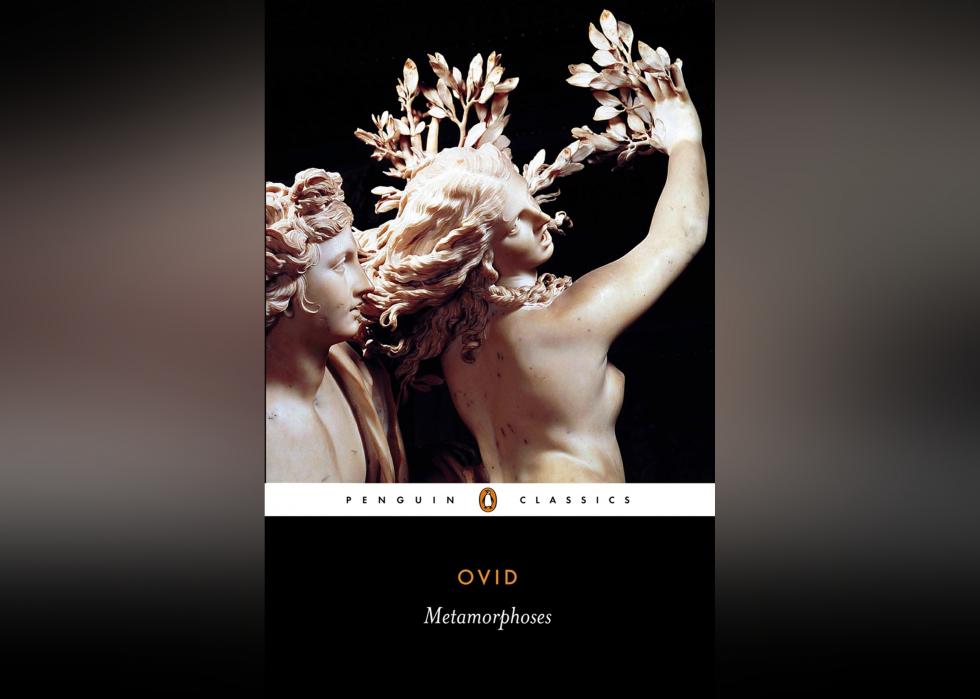
Metamorphoses

- Author: Ovid
- Date published: viii A.D.

No list of awe-inspiring novels would be complete without Ovid's "Metamorphoses," a masterpiece of ancient literature. A narrative poem, the volume chronicles the history of the earth, tying together all existing myths and histories from the beginning of the world up through the rule of Julius Caesar. It is thought to have inspired later literary greats like William Shakespeare, Dante Alighieri, and Salman Rushdie.

7 / 100

The Satyricon

- Writer: Petronius
- Engagement published: 66

"The Satyricon" is a satiric mock ballsy about an impotent man'southward quest to regain virility. It built on the satire established by the Roman writers who showtime introduced information technology. Similar in tone to books by authors similar David Sedaris, the hilarious, tongue-in-cheek tale surely inspired other famous comic writers in the millennia since.

viii / 100

Daphnis and Chloe

- Author: Longus
- Appointment published: 150

One of few surviving examples of an aboriginal Greek novel, "Daphnis and Chloe" is Longus's only known work. A pastoral romance, the book follows ii young orphans, a shepherdess, and a goatherd as they attempt to figure out how to consummate their honey. The work has inspired dozens of artists since, including Shakespeare, Henry Fielding, and Maurice Ravel.

9 / 100

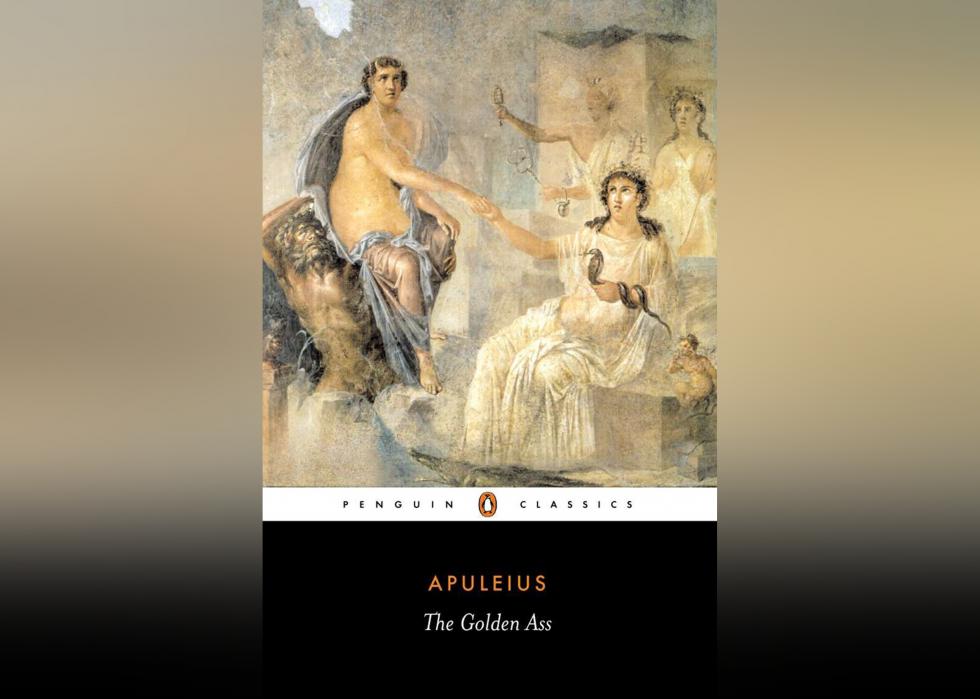
The Gilt Ass

- Author: Apuleius
- Date published: 158

"The Golden Ass" is the only novel written in Latin that has survived in its entirety. A story of magic and romance, it follows a fellow who attempts to plough himself into a bird but ends up equally a ass instead. By turns bawdy, sweet, and fantastic, this early on novel will concord your attention from start to end.

10 / 100

Beowulf

- Writer: Bearding
- Date published: 900

Jumping alee several hundred years, we come to "Beowulf," an Anglo-Saxon epic poem. Written in Old English, the story follows the titular hero as he fights a monster, the monster's mother, and a dragon, eventually becoming the rex of modern-day Scotland. The book is similar to books like "Le Morte d'Arthur" and "The One time and Hereafter King" in that it mixes fantasy with history.

You lot may too like: Space discoveries that volition blow your mind

xi / 100

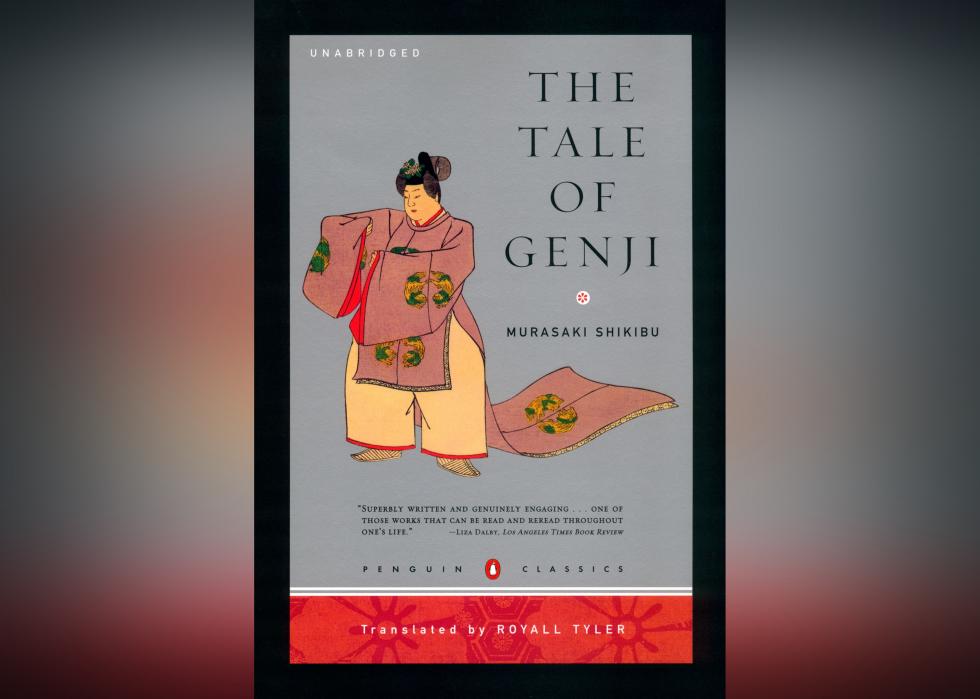
The Tale of Genji

- Writer: Murasaki Shikibu
- Date published: 1008

Widely considered the world'southward first novel, "The Tale of Genji" is a look at ladylike life in Japan's Heian menses. The book is also meaning in that it was written by a adult female, Murasaki Shikibu, who worked every bit a lady-in-waiting at the imperial court. While the original manuscript, written in an archaic class of Japanese, no longer exists, scholars have effectually 300 others from the same fourth dimension menstruation.

12 / 100

The Vocal of the Cid

- Author: Anonymous
- Date published: 1140

I of the earliest pieces of Spanish literature, "The Song of the Cid" is an ballsy based on real-life events that tells the tale of a Spanish hero who works to liberate his beloved Kingdom of spain from its Moorish captors. The novel is significant in that it brought Islamic and Castilian literature to the world stage.

13 / 100

The Arabian Nights

- Author: Anonymous
- Date published: 1315

Some scholars consider "The Arabian Nights" to be the greatest Arabic, Islamic, and Middle Eastern contribution to world literature. The novel is a collection of curt stories (mainly fables and folklore) tied together by a framing device. The tales included in this work take shaped thousands of novels and Hollywood productions and continue to act collectively as a "monument to the ageless art of storytelling," co-ordinate to Arab culture specialist Dr. Muhannad Salhi.

14 / 100

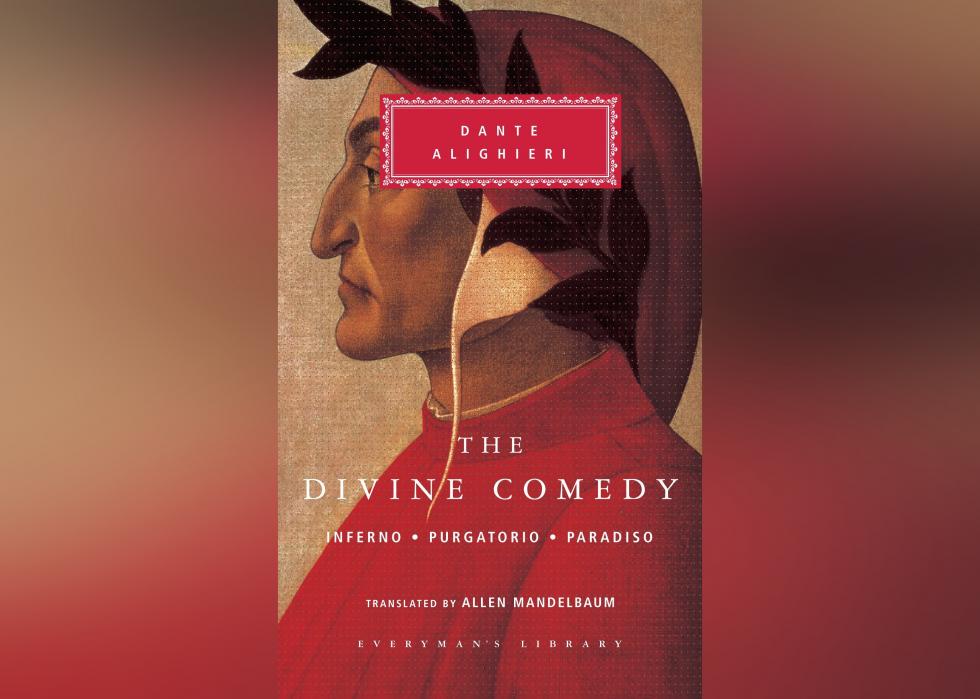
The Divine Comedy

- Author: Dante Alighieri
- Date published: 1320

When discussing Dante Alighieri'due south "Divine Comedy," the BBC called it "Western literature's very own theory of everything." A massively important piece of world literature, the well-nigh i,000-page tome is an Italian poem from the Centre Ages about a human'due south journey through hell, purgatory, and sky in pursuit of his peachy love.

15 / 100

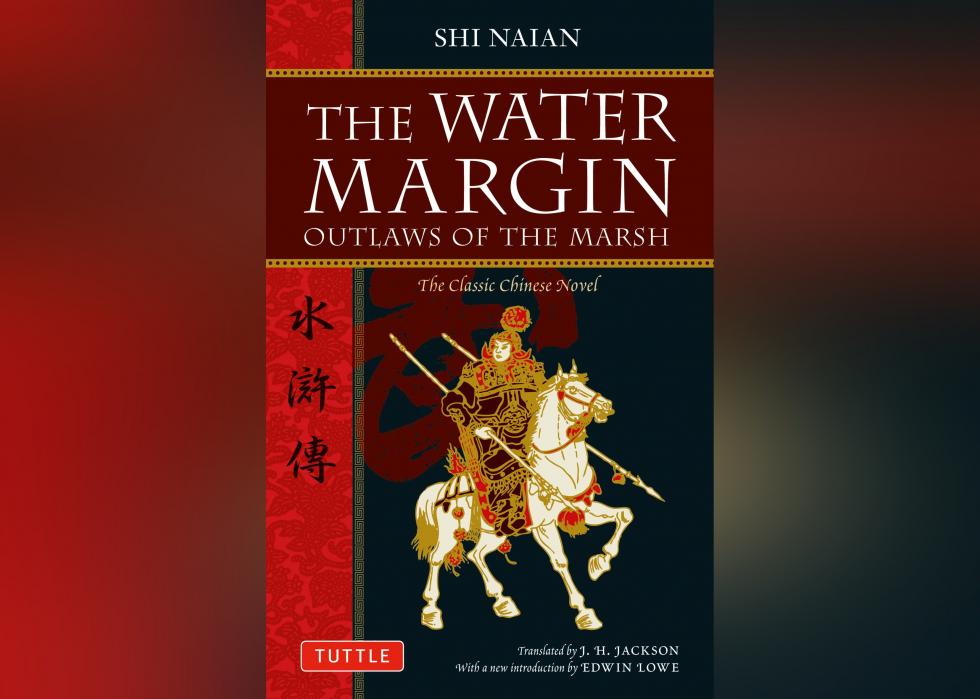
The Outlaws of the Marsh

- Author: Shi Nai'an
- Date published: 1370

"Outlaws of the Marsh" is the first of China's 4 dandy classical novels, works whose stories accept permeated the country'due south culture so thoroughly that citizens of all ages are familiar with them. Set during the Song Dynasty, it tells the story of 108 men and women forced into the hills by feudal governments who band together to form an army, are granted amnesty, and then fight for their country confronting various foes.

sixteen / 100

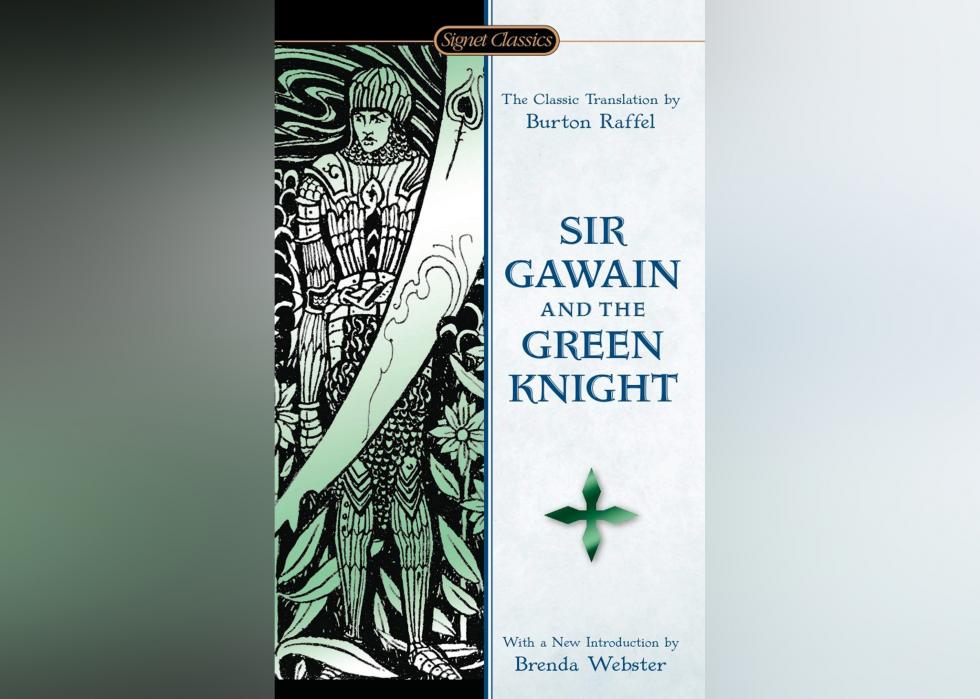
Sir Gawain and the Green Knight

- Writer: Unknown
- Engagement published: 1397

Written by an unknown poet, "Sir Gawain and the Green Knight" is considered on par with Chaucer'southward works and "Beowulf" in both content and form. One of the best-known Arthurian tales, the story follows a Knight of the Round Tabular array who accepts a challenge from a mysterious knight, undertaking a year-long quest and entering into a benevolent romance along the way. Famed fantasy author J.R.R. Tolkien is a known fan of the novel.

17 / 100

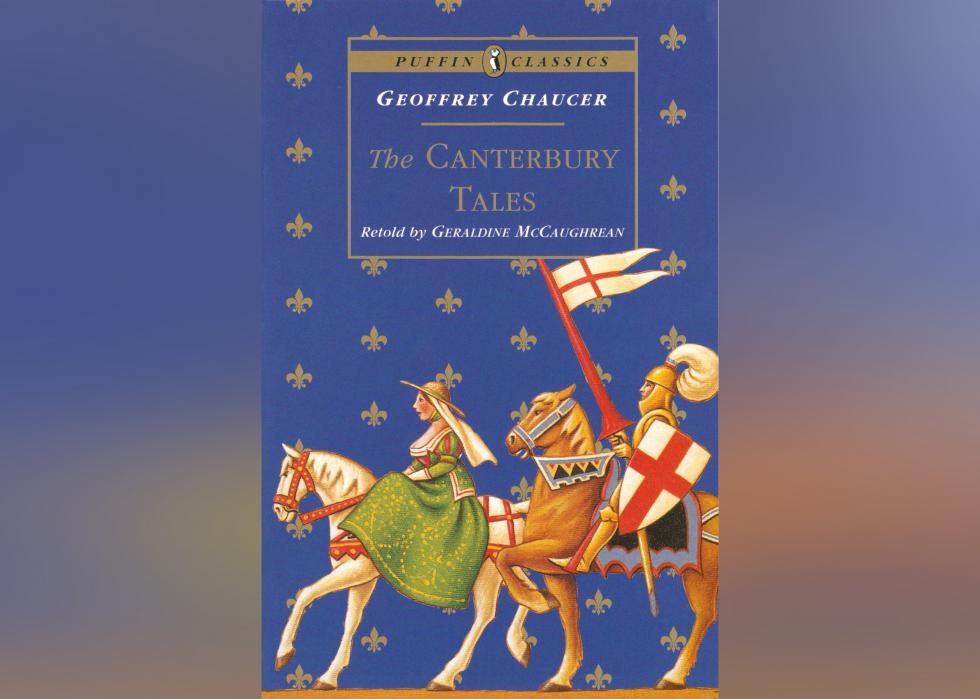
The Canterbury Tales

- Author: Geoffrey Chaucer
- Engagement published: 1400

There are over xc manuscripts of Chaucer's "The Canterbury Tales" from the 1400s that even so exist, a testament to its enormous popularity in its time. Written in medieval English language, the volume follows a group of 31 pilgrims as they make their way from Tabard Inn to Canterbury Cathedral. In gild to pass the time, the members of this fictional group agree to tell 2 tales each on the mode out and two tales each on the way back. While the piece of work was never finished, it remains hugely influential in pop culture today.

xviii / 100

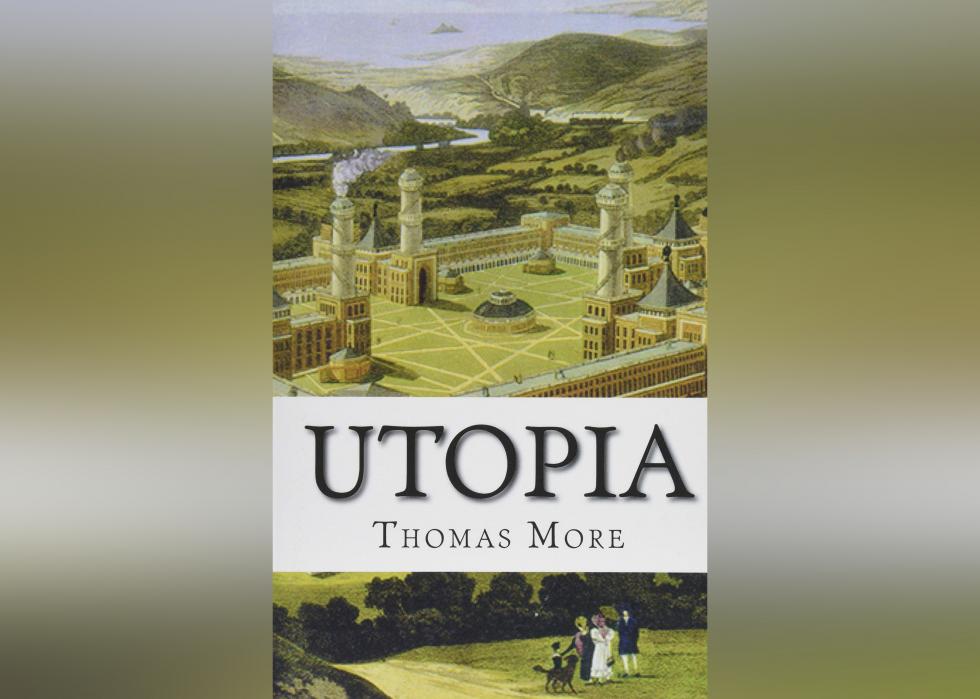
Utopia

- Writer: Thomas More than
- Appointment published: 1516

An early example of sociopolitical satirical fiction, Thomas More's "Utopia" is the story of a fictional isle's diverse customs. Written in Latin, the book is seen by modern scholars equally an case of utopian/dystopian science fiction and certainly must have influenced modernistic works like "The Handmaid's Tale" or "The Hunger Games."

19 / 100

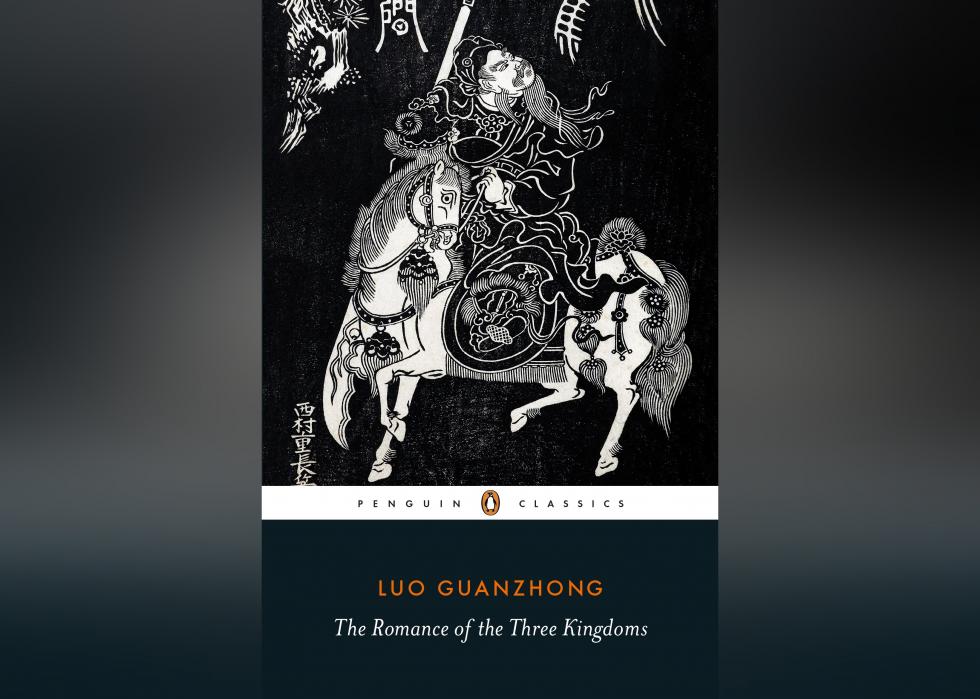
Romance of the Three Kingdoms

- Writer: Luo Guanzhong
- Date published: 1522

Prepare toward the end of the Han Dynasty, "Romance of the Iii Kingdoms" is some other of Mainland china's 4 great classical novels. A mix of real history, fable, and myth, the book has hundreds of characters but primarily follows three feudal lords as they attempt to replace and restore the crumbling dynasty. The almost well-known section follows Liu Pei and his sworn brothers Chang Fei, a giant, and Kuan Yu, an invincible knight, who are aided by a wizard named Chuko Liang and fight for control over the Han throne.

twenty / 100

The Life of Lazarillo de Tormes and of His Fortunes and Adversities

21 / 100

The Faerie Queene

- Author: Edmund Spenser
- Date published: 1590

The offset epic written in English, "The Faerie Queene" went on to inspire some of the earth's nigh famous poets and novelists similar John Milton and Alfred Tennyson. Edmund Spenser's emblematic work tells the story of several knights who are representative of different virtues, and the piece of work as a whole is meant to glorify Queen Elizabeth I.

22 / 100

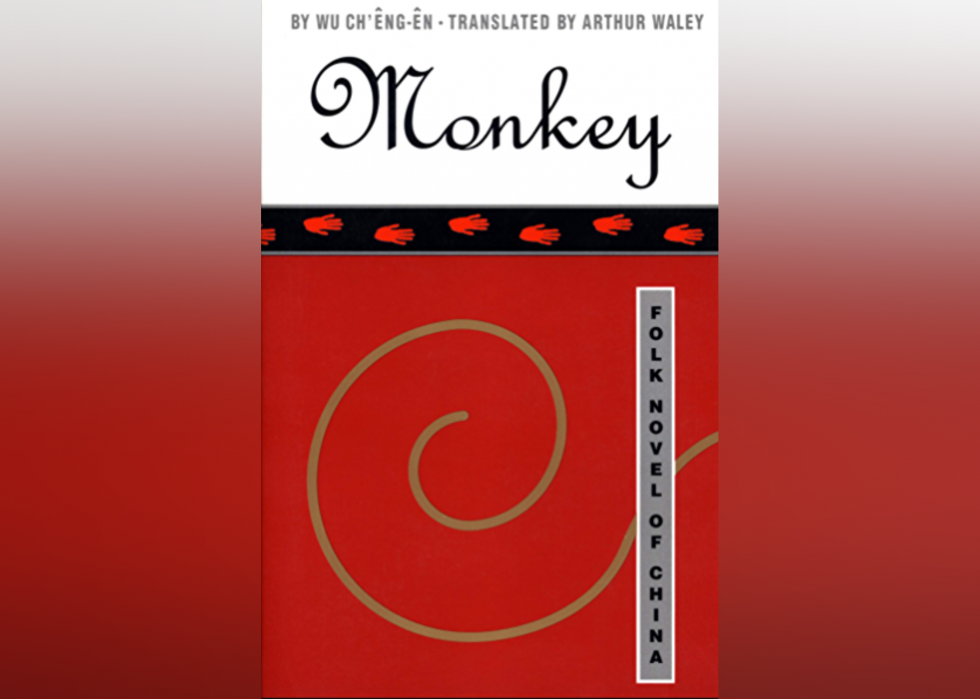
Monkey: The Journey to the West

- Author: Wu Cheng'en
- Date published: 1592

The 3rd of China's four peachy classical novels, "The Journey to the Westward" is considered by some to be the most pop novel of all time in East asia. (The add-on of "Monkey" to the title comes from the definitive English translation.) Another picaresque novel, this book follows a monk as he journeys to the western regions of Asia in order to collect sacred texts, receiving help from spirits and gods, and fighting monsters and ogres along the fashion.

23 / 100

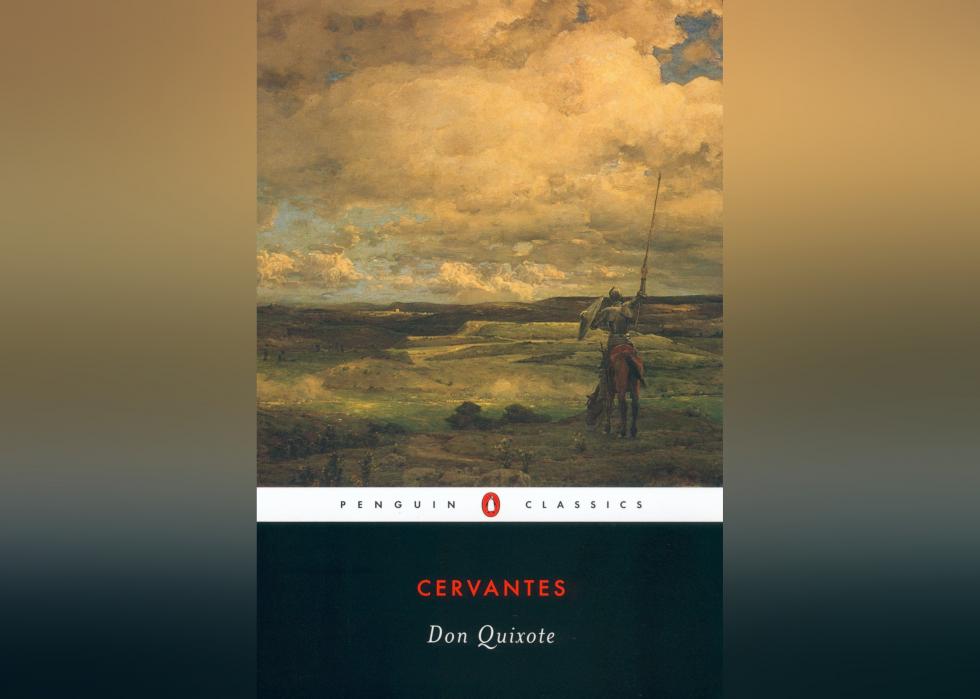
Don Quixote

- Writer: Miguel de Cervantes Saavedra
- Date published: 1605

Clocking in at over 1,000 pages, "Don Quixote" is considered past many to be the commencement modern novel. Published in 1605, the book is about a nobleman, Alonso Quijano, who is obsessed with chivalric romances and decides to get a knight errant himself. Unfortunately for the newly knighted Don Quixote de la Mancha, the globe no longer has any use for medieval knights. Sancho Panza, the intelligent squire in "Don Quixote," established the enduring "sidekick" graphic symbol.

24 / 100

Paradise Lost

- Writer: John Milton
- Appointment published: 1667

An epic work in both scale and ambition, John Milton's "Paradise Lost" is i of the greatest novels-in-verse ever written in the English language language. Information technology tells the story of the biblical fall of man as information technology happened, taking place in heaven, hell, and on World.

25 / 100

The Pilgrim's Progress

- Writer: John Bunyan
- Engagement published: 1678

At 1 betoken in history, Christianity and culture were so intertwined that near every popular work had heavy religious influences. "The Pilgrim's Progress" is a perfect example of this. Enormously influential in its time, the allegorical tale follows a man'due south journey through life equally he searches for salvation. Even today, John Bunyan's volume remains ane of the well-nigh widely read books written in English.

Y'all may as well like: 30 breathtaking images from NASA'southward public library

26 / 100

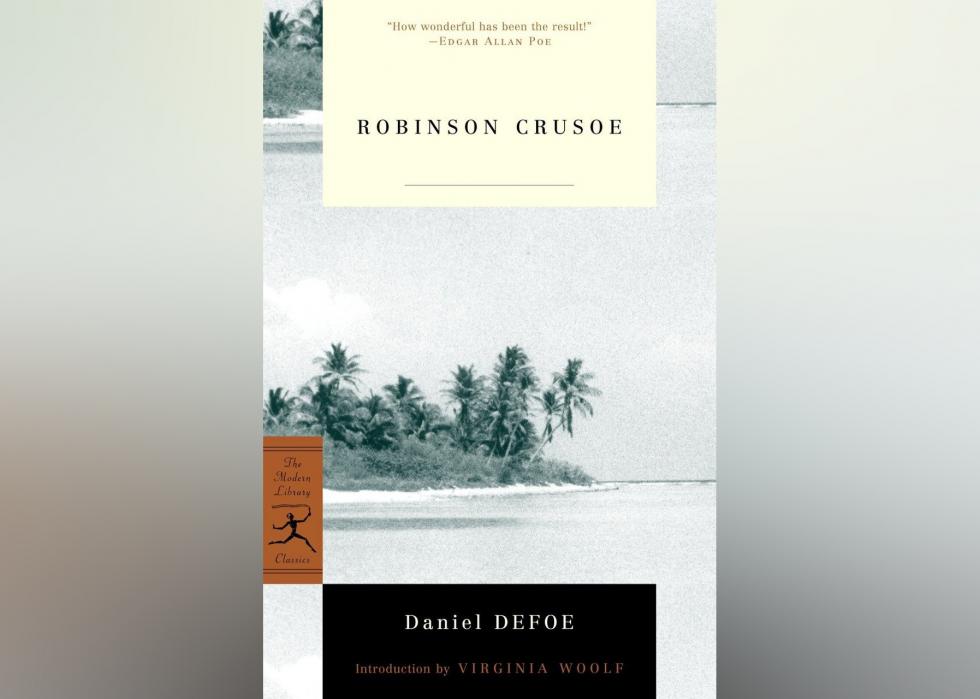
Robinson Crusoe

- Writer: Daniel Defoe
- Date published: 1719

When Daniel Defoe'south "Robinson Crusoe" was starting time published, information technology listed Crusoe himself as the author, leading many to believe that it was a existent-life travelogue and non a fictitious adventure tale. To this solar day, many critics point to the book, which covers 30 years of a castaway's life on a deserted island, as the beginning of realistic fiction.

27 / 100

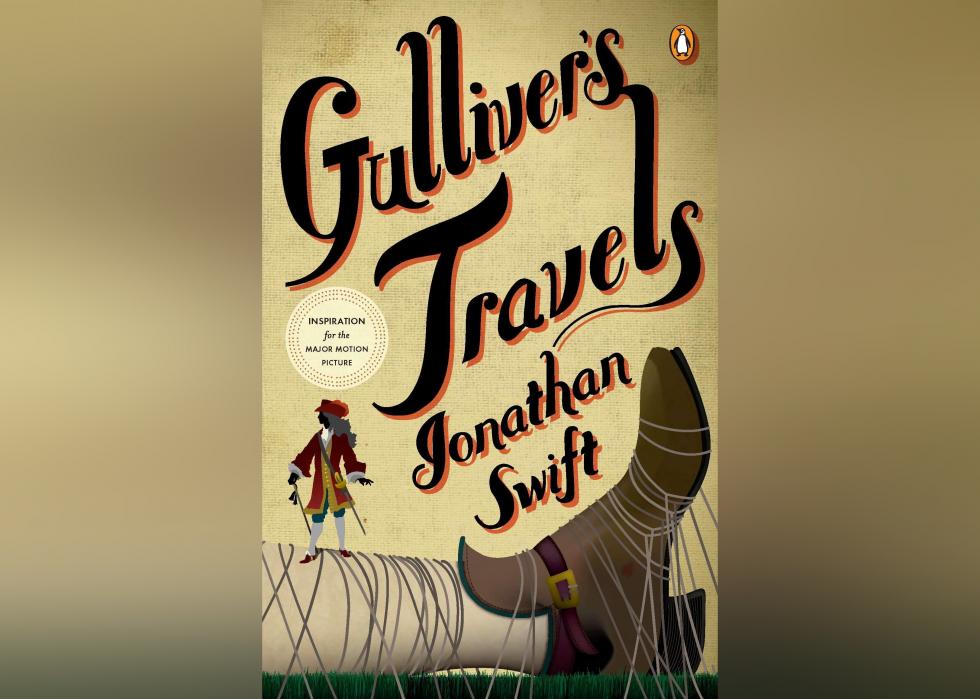
Gulliver's Travels

- Writer: Jonathan Swift
- Appointment published: 1726

Where Daniel Defoe set out to write a realistic travelogue, Johnathan Swift set out to satirize the popular genre. Fans both past and present dear the tale about a wayfaring seaman who finds himself in far-flung foreign lands like Lilliput and Laputa. Immensely popular when it was offset released, "Gulliver'southward Travels" sold out its initial print run in a matter of days.

28 / 100

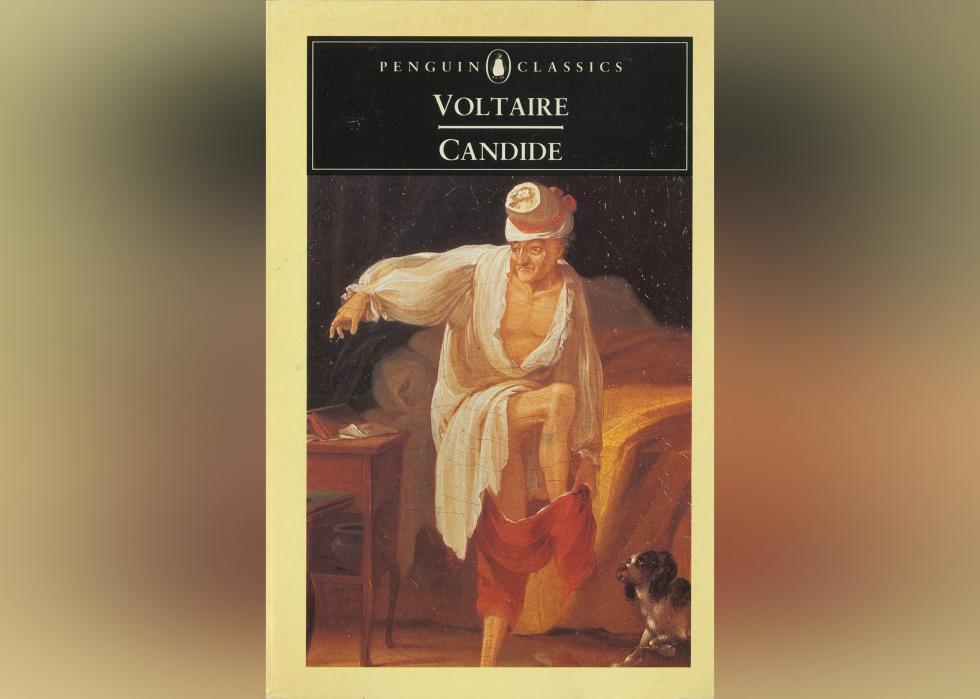
Candide

- Author: Voltaire
- Engagement published: 1759

Voltaire's almost celebrated work, "Candide" is, on its surface, the tale of a gentleman who embarks on one thousand and romantic adventures all around the world while constantly being battered past fate. On a deeper level, the story is an assault on the philosophical idea that "all is for the best" and that nosotros alive in the "all-time of all possible worlds."

29 / 100

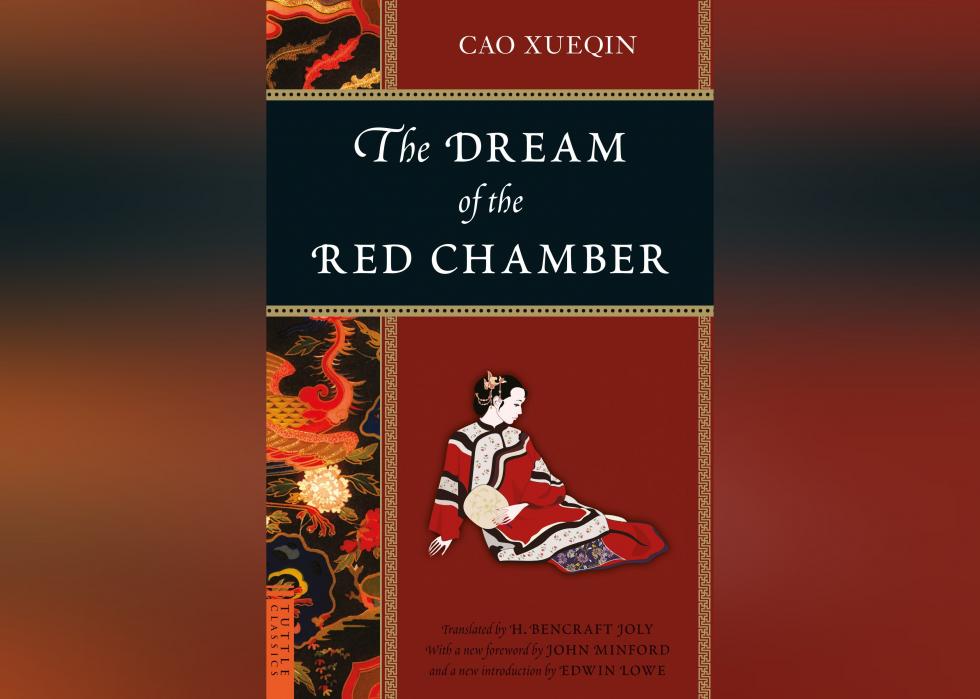
Dream of the Red Sleeping accommodation

- Author: Xueqin Cao
- Appointment published: 1791

The last of China'south four slap-up classical novels, "Dream of the Blood-red Sleeping room" has an unabridged field of scholarship called "Redology" devoted to it. Generally regarded as the greatest novel to ever come out of Cathay, the volume is one role romance, one part history of one of the world's greatest nations, and ane office family unit history. The full piece of work spans iii lengthy volumes, simply the center of the story has been edited down into a single book for modernistic readers.

thirty / 100

Pride and Prejudice

- Writer: Jane Austen
- Date published: 1813

An immediate success upon publication, "Pride and Prejudice" remains 1 of the almost read English language novels in the world. Jane Austen's classic love story has inspired hundreds of other novels, movies, and TV shows, and her romantic leads, the opinionated Elizabeth and proud Mr. Darcy, are some of the most dazzling and recognizable characters ever written.

You may too like: 30 famous student protests

31 / 100

Frankenstein

- Author: Mary Wollstonecraft Shelly
- Date published: 1818

Many literary scholars see Mary Wollstonecraft Shelly's "Frankenstein" equally the the offset scientific discipline-fiction story ever written. The gothic horror novel tells the story of a young scientist, Victor Frankenstein, who creates a sapient creature in his lab so unleashes him on the globe. It would be hard to overstate its influence on modern pop culture.

32 / 100

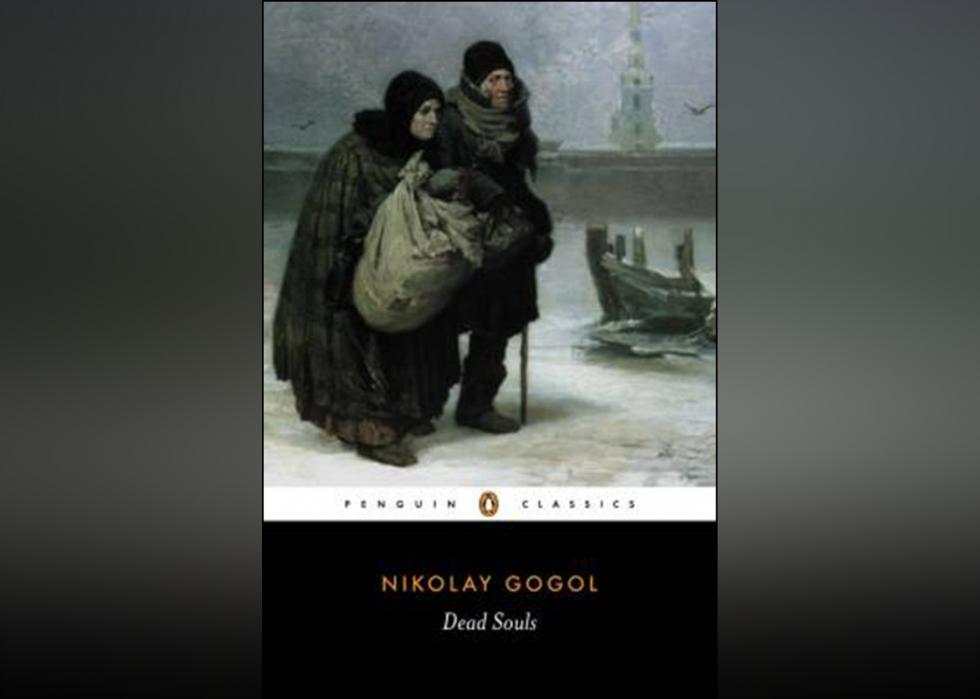
Expressionless Souls

- Writer: Nikolai Gogol
- Date published: 1842

Although scholars and readers constantly fence what Gogol was attempting to practice with "Expressionless Souls," there'due south no debating its importance in the canon of Russian literature. The novel, which ends in the middle of a sentence, follows a eye-class man, Pavel Ivanovich Chichikov, as he wanders effectually the motherland collecting the names of dead serfs while encountering dozens of other middle-course people. While the book certainly won't appeal to everyone, it provides an excellent moving picture of Russia during the 19th century.

33 / 100

The 3 Musketeers

- Author: Alexandre Dumas
- Date published: 1844

"The Three Musketeers" is considered by some to be the most famous historical novel of all time. Alexandre Dumas's nearly celebrated piece of work is actually nearly four swordsmen (D'Artagnan, Athos, Porthos, and Aramis) whose bail of friendship carries them through many an adventure, battle, and romance relatively unharmed.

34 / 100

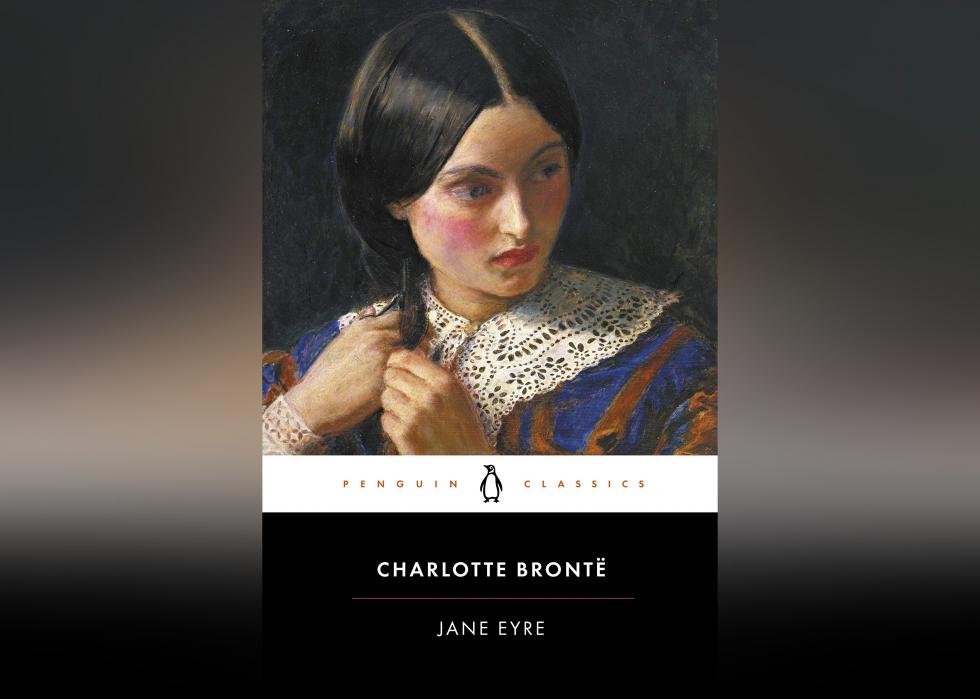
Jane Eyre

- Writer: Charlotte Bronte
- Engagement published: 1847

Literary critic Daniel Due south. Burt has chosen Charlotte Bronte "the get-go historian of the private consciousness" cheers to her novel "Jane Eyre," the first to focus on a pb character'south moral and spiritual development. Well ahead of its time, this romantic novel follows the titular Jane Eyre through a rough childhood, every bit a student and teacher at a school, then—in what readers remember best most the novel—every bit she accepts a task as governess and slowly begins to fall for her mysterious employer, Mr. Rochester.

35 / 100

Wuthering Heights

- Author: Emily Bronte
- Date published: 1847

Charlotte Bronte's younger sis Emily wrote "Wuthering Heights," a classic case of a gothic novel. The volume, near the sick-fated love between Heathcliff and Catherine, contains elements of the supernatural, a host of scandals, and more than one love triangle.

You may also like: U.South. Air Force history from the yr you were born

36 / 100

The Scarlet Letter

- Author: Nathaniel Hawthorne
- Date published: 1850

Nathaniel Hawthorne's "The Scarlet Letter" is significant for two reasons. It is the commencement novel to depict from the puritan roots of the United States, taking a good hard look at the negative effects our country's rigid morality can take on individual lives. It is also one of the few examples of a novel influenced by the transcendentalist move, which had a huge impact on mod American philosophy.

37 / 100

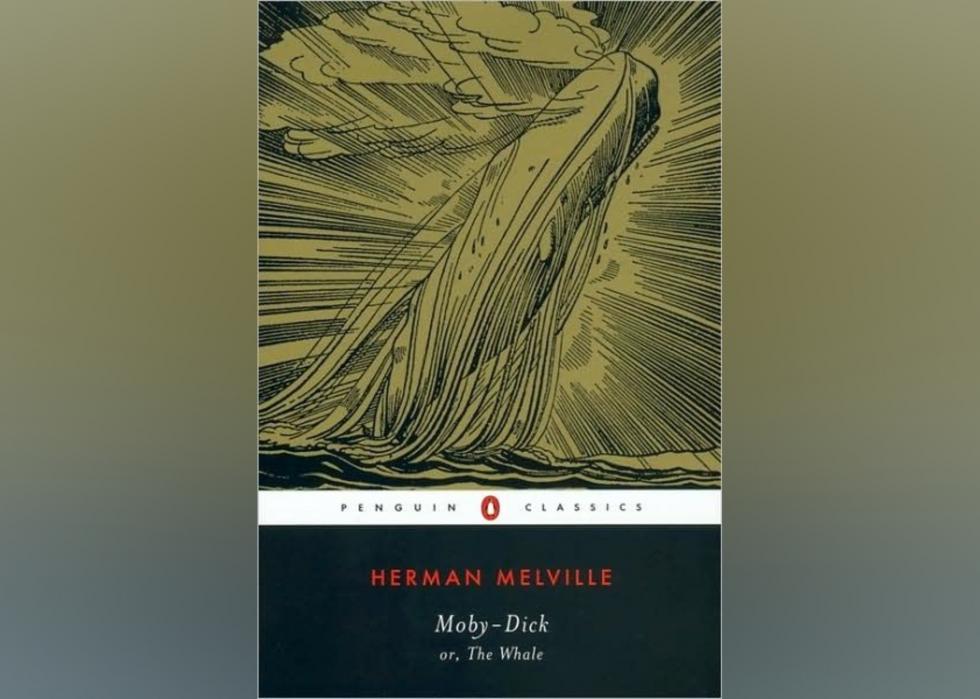
Moby-Dick

- Author: Herman Melville
- Date published: 1851

Widely regarded as one of the "greatest works of imagination" in American literary history, per Goodreads, "Moby-Dick" is, at its heart, a meditation on America. On the surface, however, the book is an activity-packed tale of a madman'southward pursuit of an unknowable sea animate being.

38 / 100

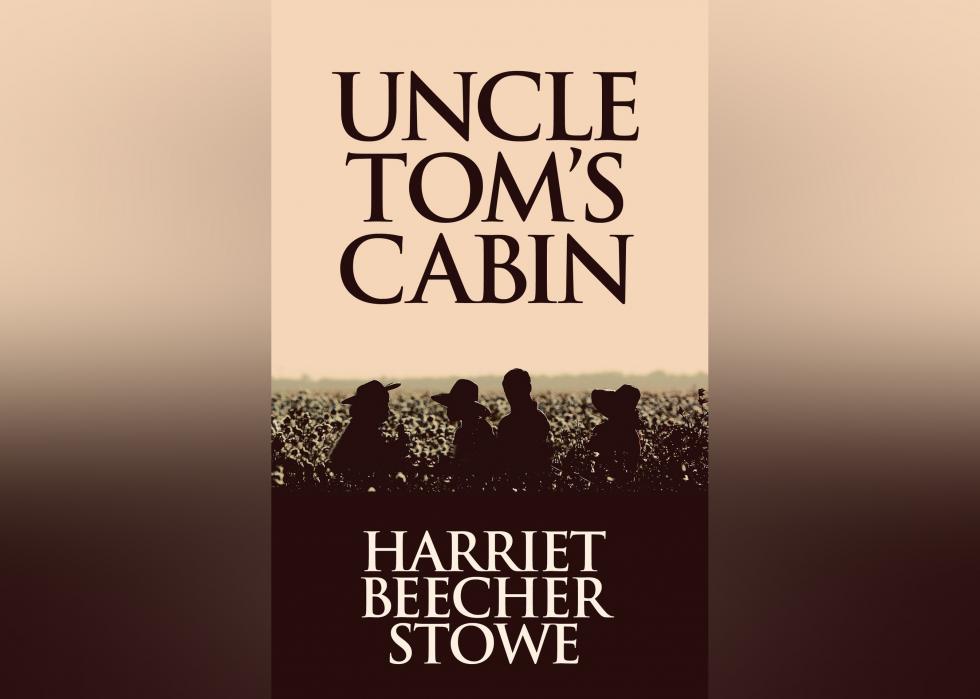
Uncle Tom'due south Cabin

- Author: Harriet Beecher Stowe
- Date published: 1851

In the same way "Moby-Dick" is imaginative, "Uncle Tom'south Cabin" is unflinchingly based in reality. Scandalous in its time for its antislavery sentiments, the book has more than earned its place in American literary history. Abraham Lincoln credited the story, which was written by a white housewife morally opposed to slavery, with igniting the flame that became the Civil War.

39 / 100

Madame Bovary

- Author: Gustave Flaubert
- Date published: 1857

A story about a bored wife'south affairs and romantic fantasies, "Madame Bovary" was so scandalous at the time of its publication that it caused a public outcry and wound upwardly banned in multiple countries. With a complicated main character who is self-obsessed and morally corrupt, many readers feel that Flaubert'due south key message was one of finding happiness and fulfillment with what life hands yous, rather than e'er searching for greener grass somewhere else.

40 / 100

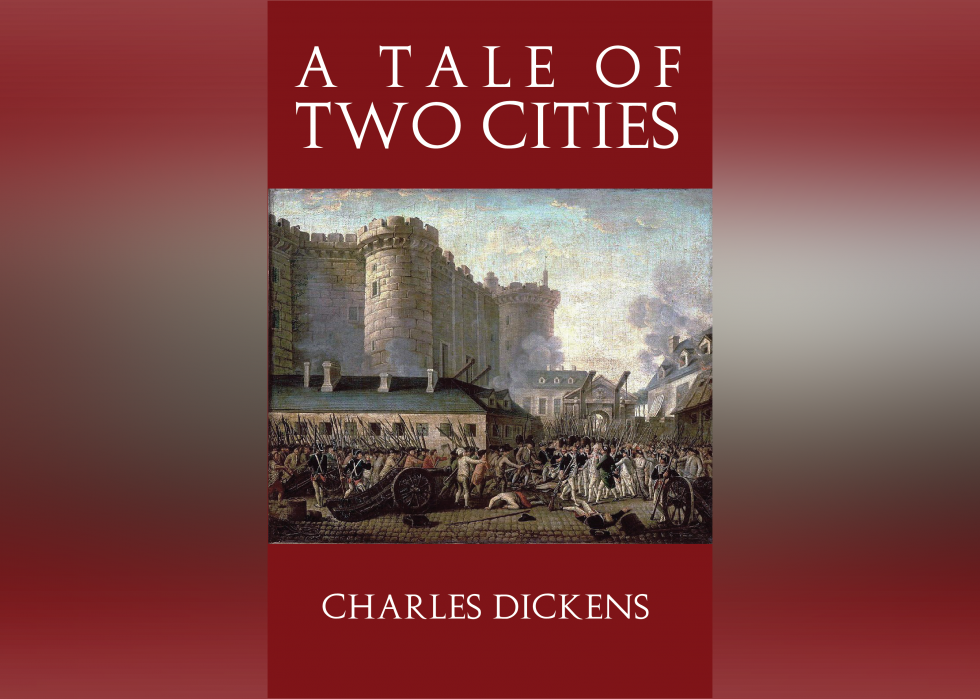
A Tale of Two Cities

- Author: Charles Dickens
- Appointment published: 1859

No such list would be complete without an entry from Charles Dickens, who is often considered the best author of the Victorian era. In "A Tale of Ii Cities," Dickens spins a story of political prisoners, reunited families, romantic beloved, and the events that lead upwards to the French Revolution. The book is one of the best-selling novels of all time.

Y'all may also like: Nigh imported endangered animals to America

41 / 100

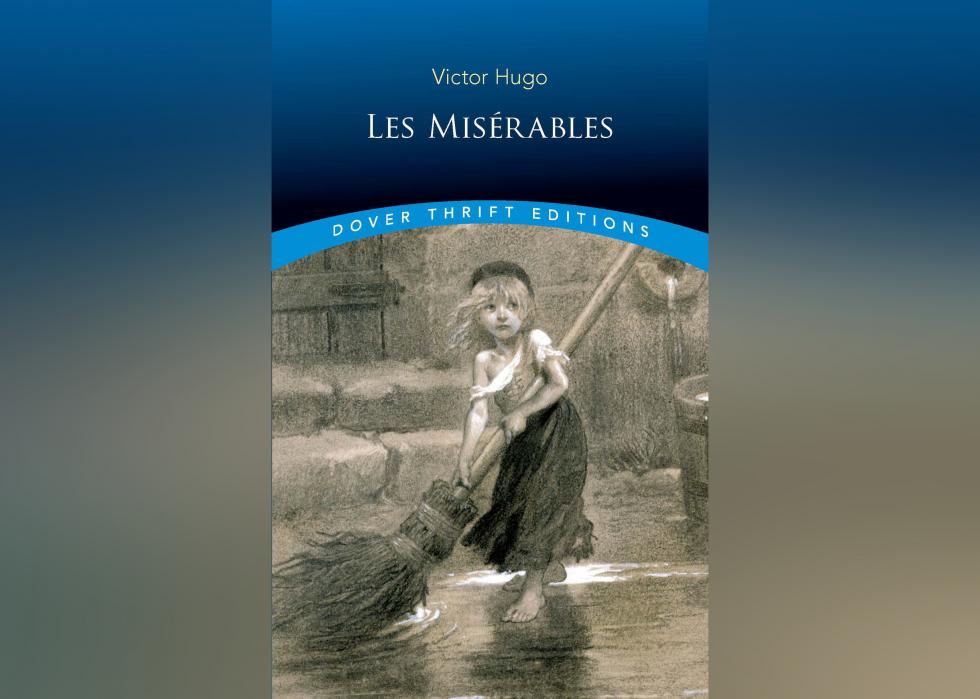
Les Miserables

- Author: Victor Hugo
- Date published: 1862

Another novel set in the midst of the French Revolution, "Les Miserables" fabricated the radical move of featuring a working-class hero. A story of honey and redemption, Victor Hugo's famous work is, in simplistic terms, a cat-and-mouse tale featuring Jean Valjean, an donating ex-captive, and Inspector Javert, a policeman focused more than on retribution than justice. Incredibly layered and nuanced, the one,300-page novel rewards those who manage to read the whole thing.

42 / 100

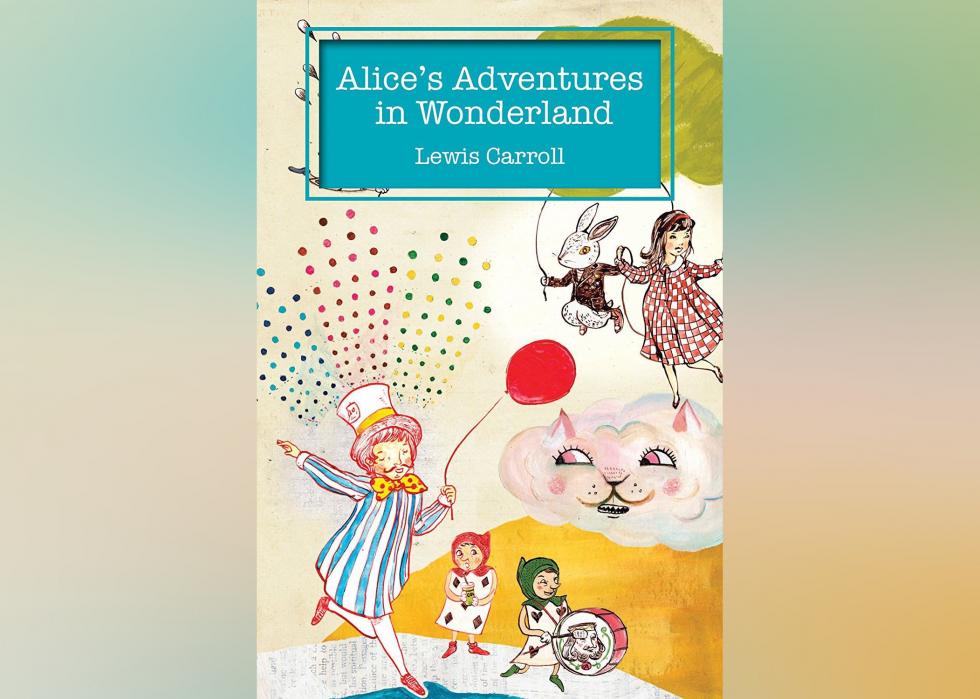
Alice'south Adventures in Wonderland

- Author: Lewis Carroll
- Date published: 1865

Ever since the first publication of Lewis Carroll's "Alice's Adventures in Wonderland" in 1865, the fantasy tale about a daughter who falls into a subterranean earth has never been out of print. Considered one of the best examples of literary nonsense fiction, the book has had an enormous impact on our civilisation and on more recent fantasy tales.

43 / 100

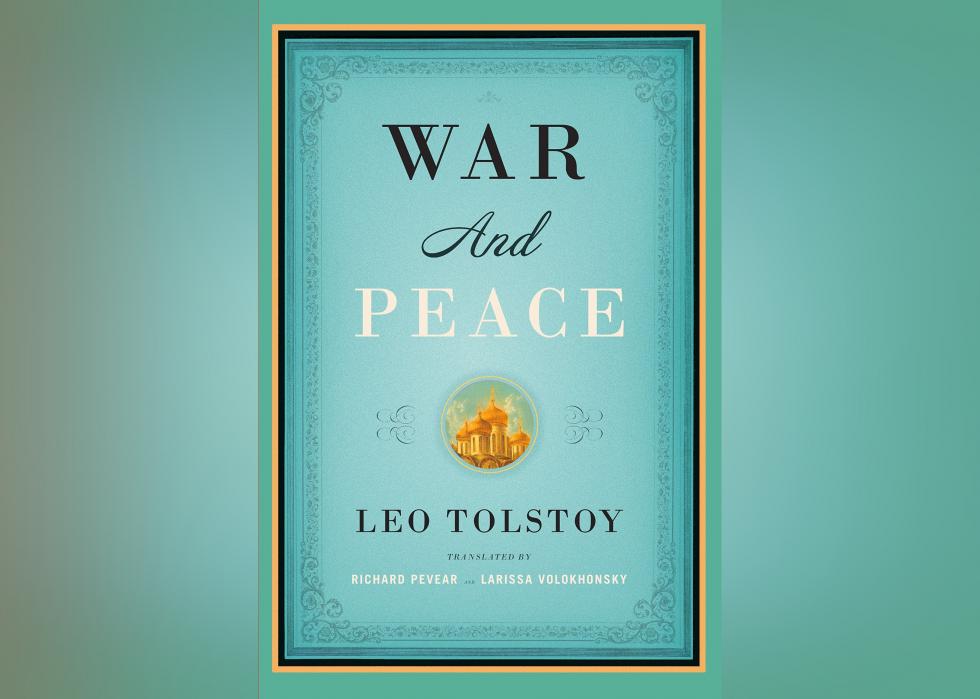
War and Peace

- Author: Leo Tolstoy
- Date published: 1867

"State of war and Peace" is an epic saga that chronicles Napoleon'south invasion of czarist Russia and the multitude of means it afflicted life for the average citizen. Arguably Leo Tolstoy'south best work, the novel is a globe classic.

44 / 100

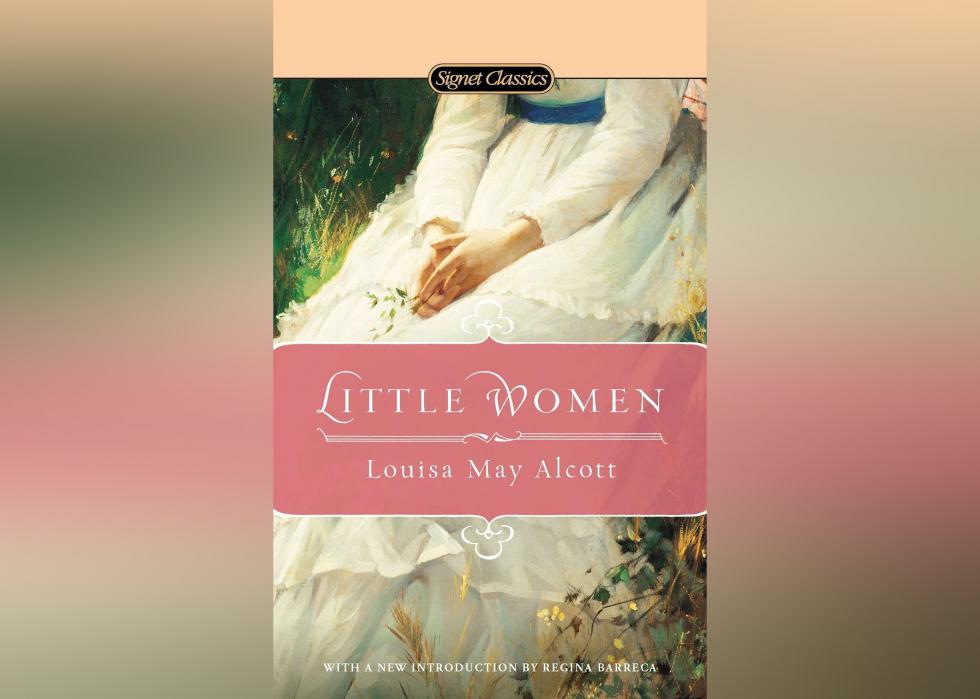
Little Women
- Writer: Louisa May Alcott
- Date published: 1868

Another author who was heavily influenced by the transcendentalist movement in America is Louisa May Alcott. Her book "Fiddling Women," almost four sisters during the Civil War era, is far too often classified equally girls' or women'due south literature. Simply the novel's much deeper themes of family duty, decease, gender roles, and personal ambition have value for all readers.

45 / 100

The Brothers Karamazov

- Author: Fyodor Dostoyevsky
- Date published: 1879

No other book on our list has earned equally much international acclaim as "The Brothers Karamazov." The Russian novel earned this praise thanks to the mode it tackles tough topics similar the beingness of God, gratis will, faith, doubt, reason, and morality. A story of a murder inside a family, the epic was author Fyodor Dostoyevsky'due south last work.

You may also like: Well-nigh popular babe names in the 21st century

46 / 100

The Seven Heroes and Five Gallants

- Author: Shi Yukun
- Appointment published: 1879

Another well-known slice of Chinese literature, "The Seven Heroes and Five Gallants" follows a Robin Hood-esque character named Lord Bao and the men who make up his courtroom equally they fight crime and corruption all over China. An arresting tale, the book also gives international audiences a wait at how influential Confucian philosophies were in the country.

47 / 100

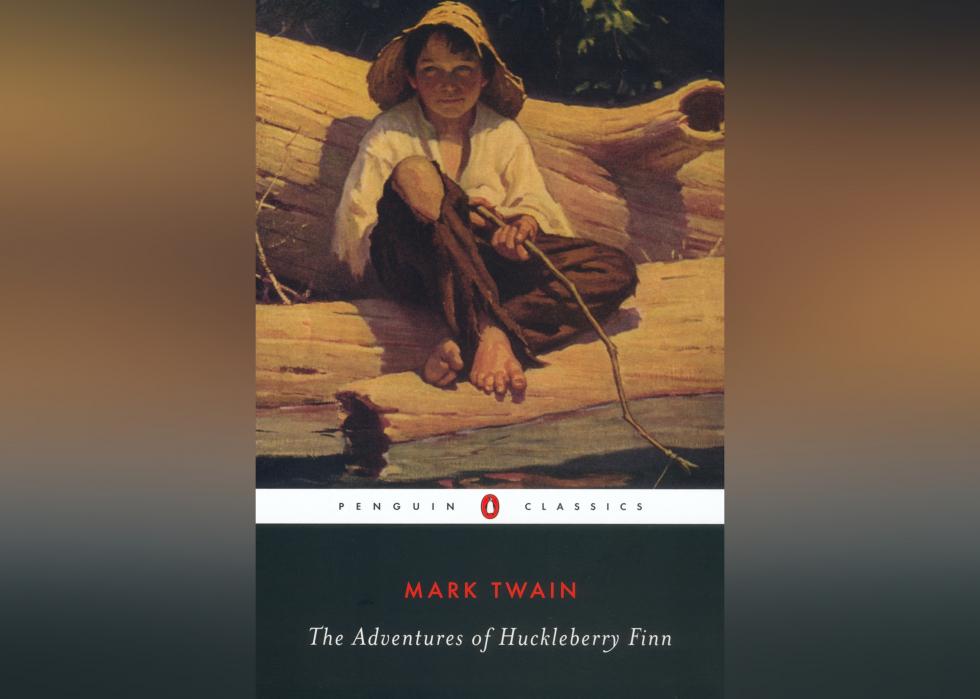
The Adventures of Huckleberry Finn

- Writer: Mark Twain
- Date published: 1884

"The Adventures of Blueberry Finn" is a directly sequel to Marking Twain's other famous piece of work, "The Adventures of Tom Sawyer." The novel follows the titular Huckleberry Finn, a male child who runs away from his small town with Jim, an enslaved male child who escapes his enslavers. The two continue a series of wild adventures on the Mississippi River. The novel is notable not just for its commentary on racism in America, merely besides for being the outset book to use vernacular English throughout.

48 / 100

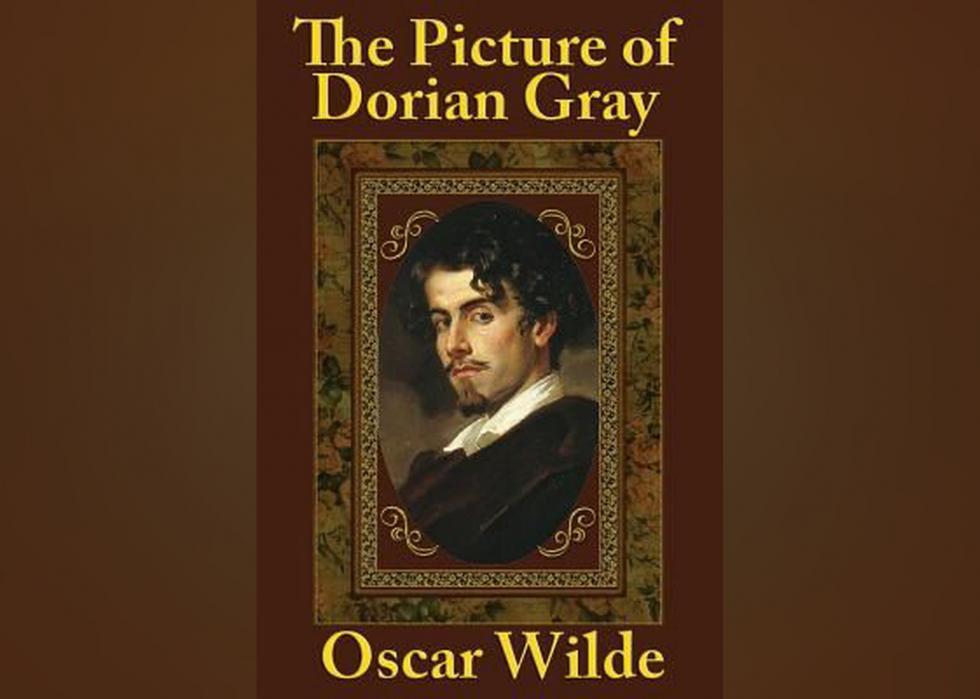
The Picture of Dorian Gray

- Writer: Oscar Wilde
- Date published: 1890

A study of man's vanity, cruelty, selfishness, and hedonistic impulses, "The Picture of Dorian Gray" was considered so immoral when information technology was first published that it was heavily censored. The simply novel e'er written past Oscar Wilde, the book is about a young man who essentially sells his soul to the devil in order to obtain eternal youth. Although the story is incredibly dark, the slim novel is hands readable and attainable for modernistic-twenty-four hours audiences.

49 / 100

Dracula

- Writer: Bram Stoker
- Appointment published: 1897

"Dracula" is a gothic horror novel about the vampire Count Dracula, who attempts to leave his native Transylvania in search of fresh blood and new victims. A genuinely chilling read, the volume is notable not just for its own content but for the diverse ways it has shaped fantasy literature and the thousands of vampire stories it inspired.

fifty / 100

Middle of Darkness

- Author: Joseph Conrad
- Engagement published: 1899

The final 19th-century volume on our listing, "Heart of Darkness" is virtually a ferryboat captain's obsession with an ivory trader and his suspicion that this trader is not a genius like everyone believes—but insane. At its cadre, the book is an argument that there is very petty separating the "roughshod" (the protagonist's racist conception of Blackness men) from civilized people—at heart, we're actually all the same. "Heart of Darkness" has inspired numerous adaptations, the most well-known probably existence Francis Ford Coppola'due south "Apocalypse Now."

You may also like: Scientific breakthroughs from the year yous were born

51 / 100

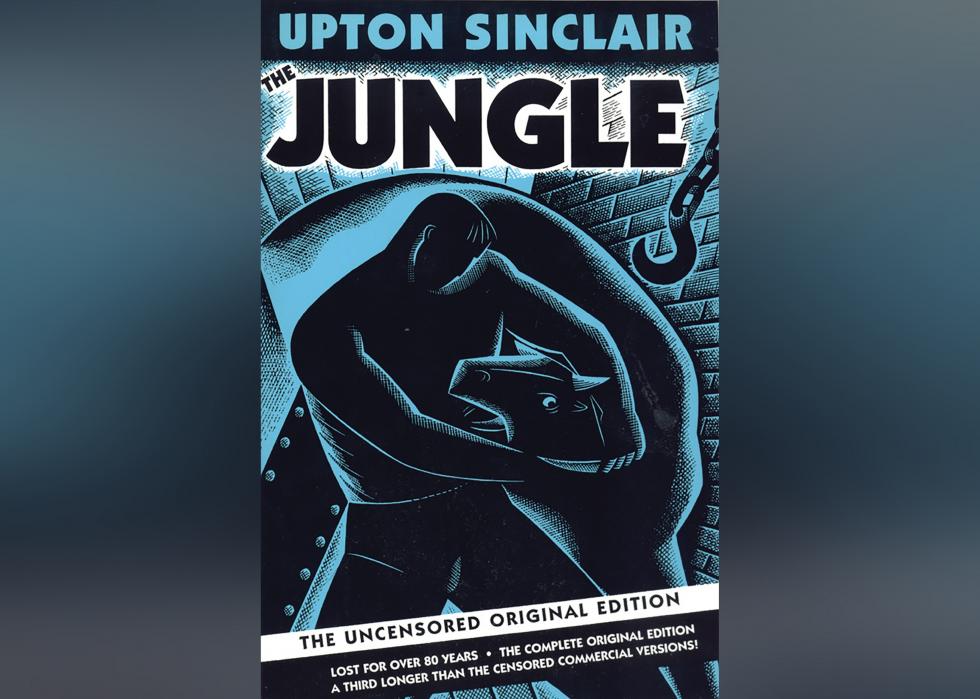
The Jungle

- Writer: Upton Sinclair
- Appointment published: 1905

Upton Sinclair's "The Jungle" is about the tragic lives of an immigrant family in Chicago. Although Sinclair intended the book to reveal how horrifically immigrants were being exploited and how desperately he thought the country needed to turn to socialism, many readers walked abroad more than focused on the unsanitary practices of the meat industry that he exposed. In this area, the novel did pb to an affluence of reforms and changes, including the Meat Inspection Human activity.

52 / 100

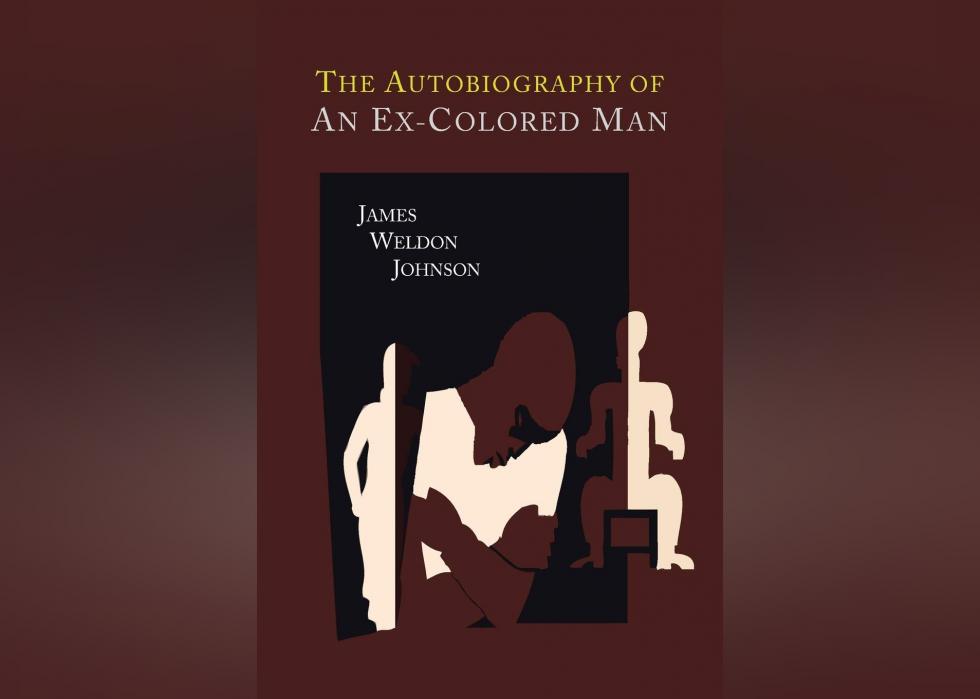
The Autobiography of an Ex-Colored Man

- Author: James Weldon Johnson
- Date published: 1912

When "The Autobiography of an Ex-Colored Man" was first published, it was attributed to an bearding author, equally publishers weren't sure how its unflinching examination of race in America was going to be received. The emotional novel follows a Black man who "passes" for white as he journeys from the rural Due south to the exclusive suburbs of the Northeast. Wildly successful, the book inspired a generation of Black authors and many Harlem Renaissance works.

53 / 100

Swann's Fashion

- Author: Marcel Proust
- Engagement published: 1913

"Swann's Way" is the offset volume in Marcel Proust's "In Search of Lost Time," which fictionalizes his youth in Belle Epoque French republic. Described as a "perfect rendering of life in art," the book deals with the themes of babyhood, involuntary memory, and the meaning of an individual life.

54 / 100

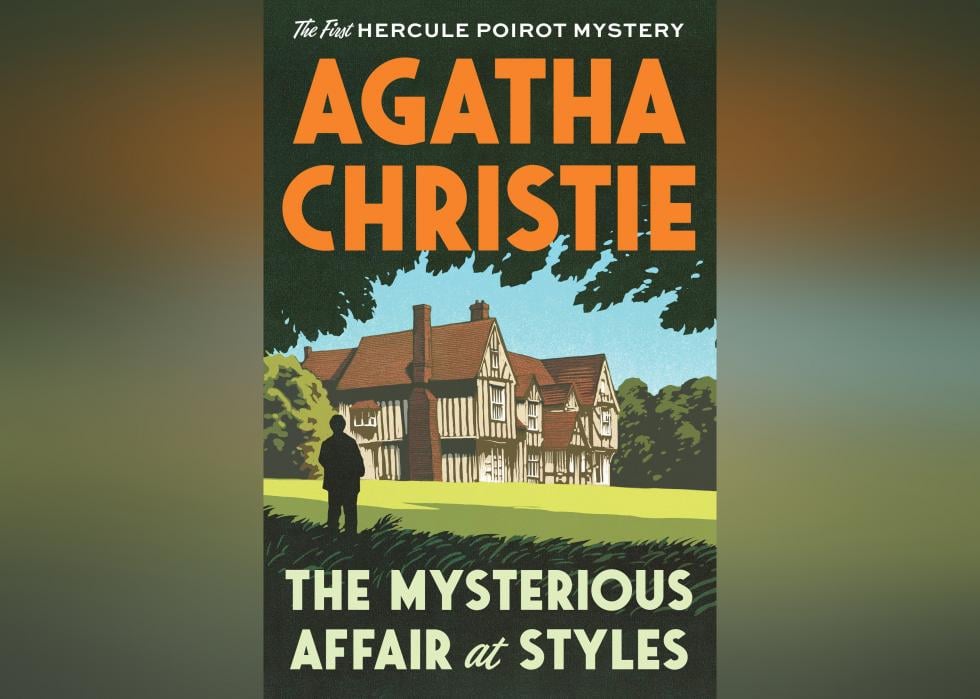
The Mysterious Affair at Styles

- Author: Agatha Christie
- Date published: 1920

"The Mysterious Matter at Styles" was Agatha Christie's debut novel. While the book, which sees Christie'southward well-nigh dear character Hercule Poirot solve a murder, may not be regarded equally her all-time work, it nevertheless is worthy of inclusion as it started her on the path toward becoming the best-selling fiction author of all time.

55 / 100

Siddhartha

- Writer: Hermann Hesse
- Engagement published: 1922

Written in German language, "Siddhartha" is almost a wealthy Indian homo who leaves his overjoyed life behind in order to find spiritual fulfillment and meaning. A mix of diverse religious philosophies and cultures, the volume didn't go popular in the United States until the '50s and '60s, when it had a major influence on the counterculture generation.

You may also similar: How Pride is historic effectually the world in 25 photos

56 / 100

Ulysses

- Author: James Joyce
- Date published: 1922

A modernist masterpiece, "Ulysses" is about a unmarried mean solar day in the life of a Dubliner named Leopold Blossom, alongside a host of his friends and acquaintances. Written in a stream of consciousness, null really notable happens in the book, leading many readers to give upwardly far short of the 700-plus-page end. Nonetheless, the book is a major accomplishment in 20th-century literature thanks to its experimental narrative techniques and subtle sense of humor.

57 / 100

The Magic Mountain

- Author: Thomas Mann
- Date published: 1924

Hugely influential in German literary history, "Magic Mount" is another novel that doesn't have any existent central plot. In fact, scholars and readers have debated for years over what this book is about, other than the destructiveness and cynical attitudes of culture.

58 / 100

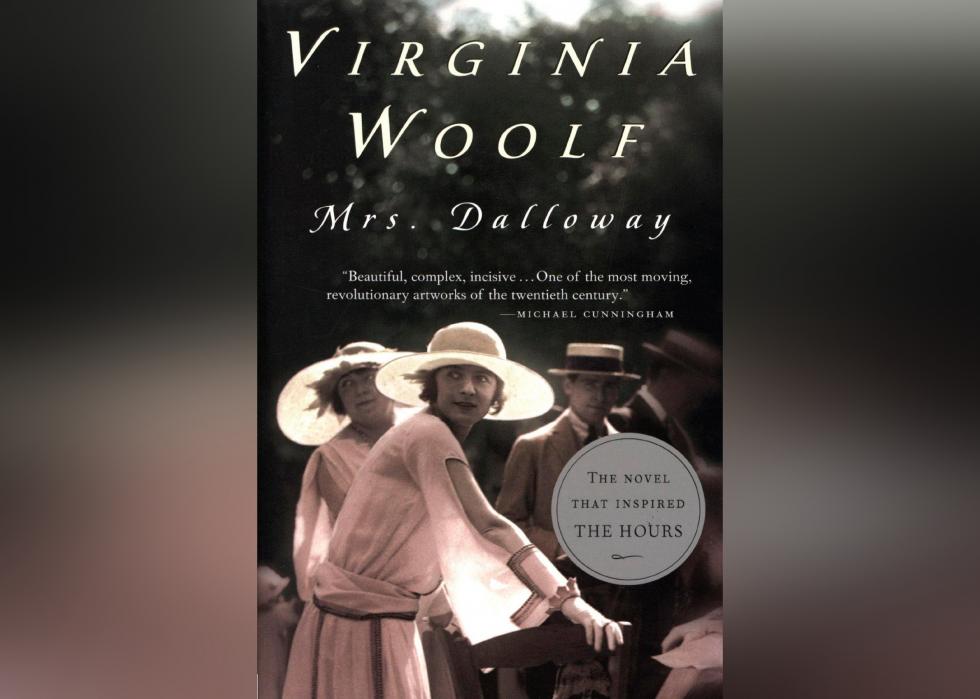
Mrs. Dalloway

- Author: Virginia Woolf
- Date published: 1925

"Mrs. Dalloway" covers a single twenty-four hours in the titular character's life equally she prepares for a party. Going well-nigh her errands and chores, Mrs. Dalloway reflects on the choices that led her to this particular moment and wonders about what the future will hold. Virginia Woolf's famous piece of work is pregnant because information technology demonstrates that novels don't only have to be about extraordinary adventures, simply tin be almost everyday life, too.

59 / 100

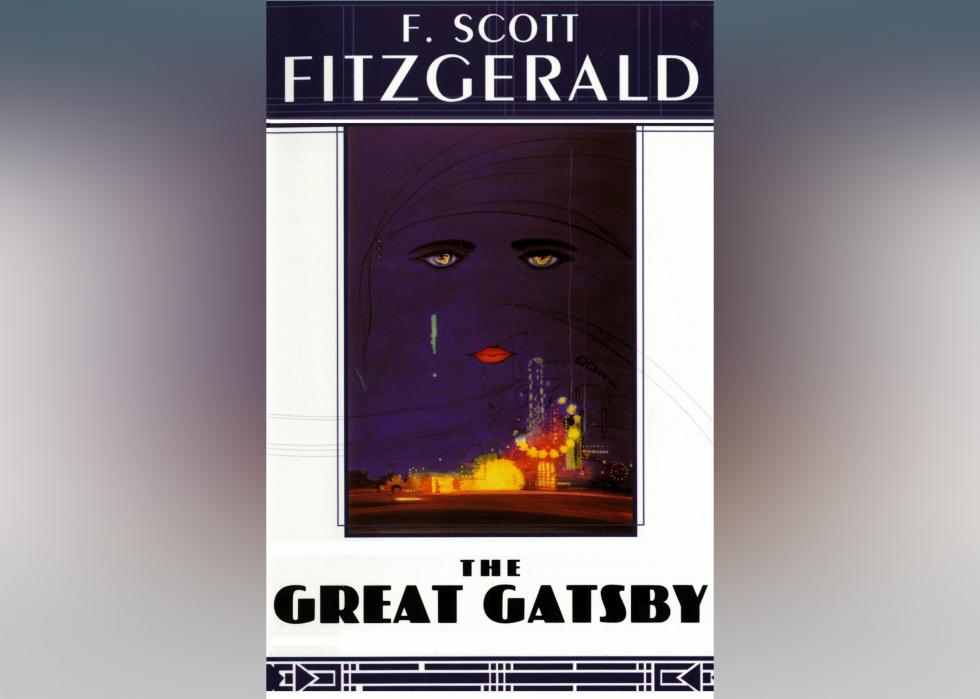
The Great Gatsby

- Writer: F. Scott Fitzgerald
- Engagement published: 1925

A standard of the Jazz Age, "The Great Gatsby" perfectly embodies many of the values of its time, like personal freedom and the unapologetic pursuit of pleasure. Most folks, whether gorging readers or not, are at least somewhat familiar with the story of the fabulously rich Jay Gatsby, who'due south in beloved with the unattainable Daisy Buchanan and throws massive parties at his Long Isle mansion in the hopes of earning her affections.

60 / 100

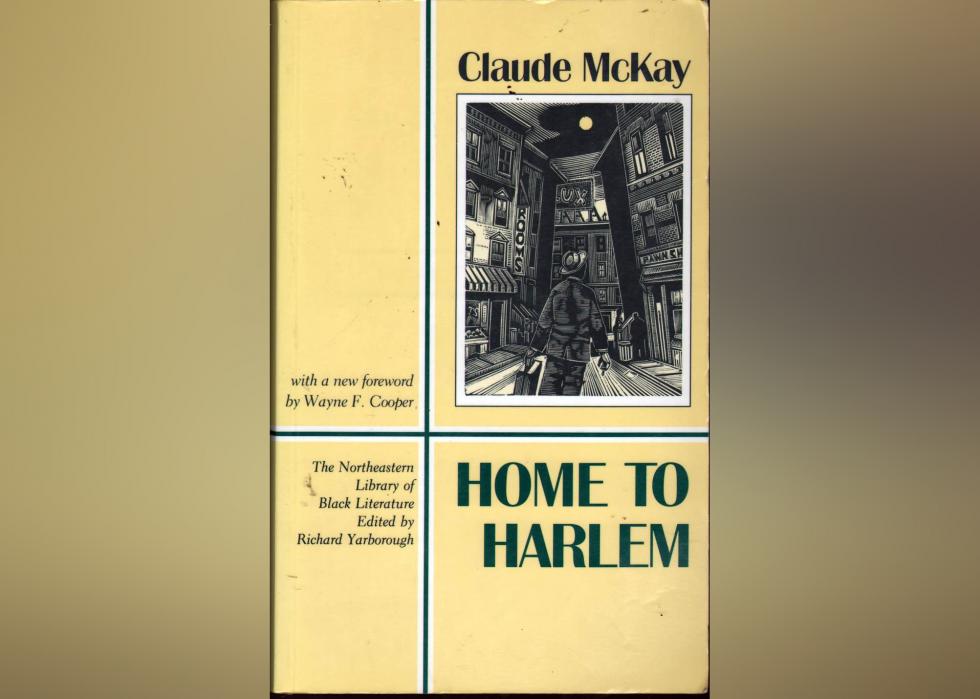
Home to Harlem

- Author: Claude McKay
- Date published: 1928

The writer of "Home to Harlem," Claude McKay, was a central effigy in the Harlem Renaissance. His about famous piece of work follows 2 men from very different circumstances as they move through Harlem's intense nighttime scene and navigate race in America by solar day.

61 / 100

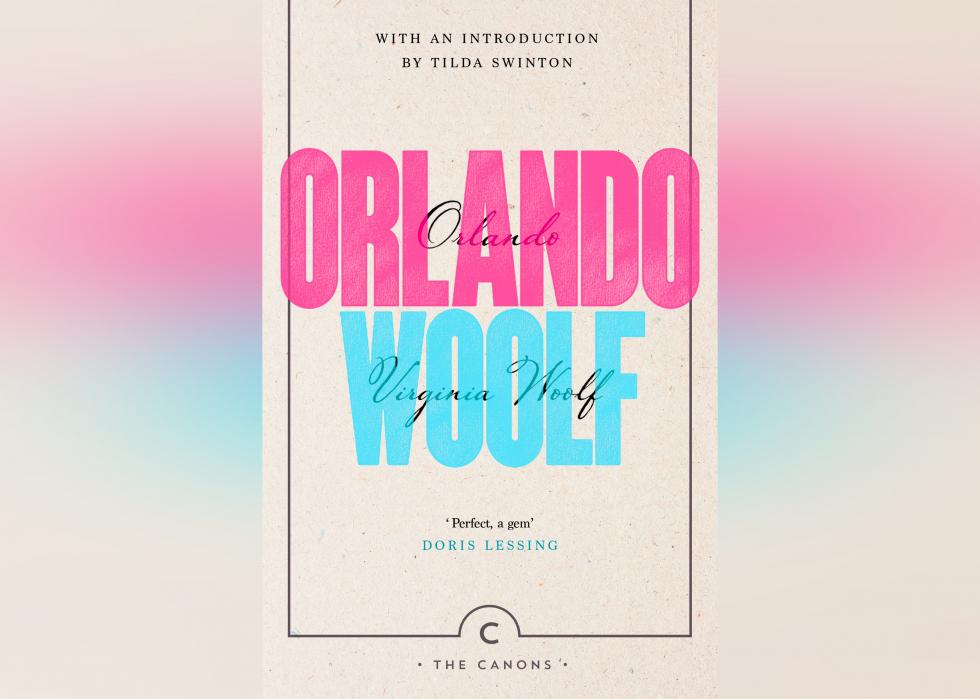
Orlando

- Author: Virginia Woolf
- Date published: 1928

Another awe-inspiring novel by Virginia Woolf, "Orlando" has long been a archetype in the LGBTQ+ customs. Taking place over three centuries, the book follows its key grapheme as a mysterious modify transforms him from a man to a woman, and the subsequent ways her place in the world changes. Often studied by feminist, gender, and transgender students, the book has been adjusted into several movies, plays, and fifty-fifty an opera.

62 / 100

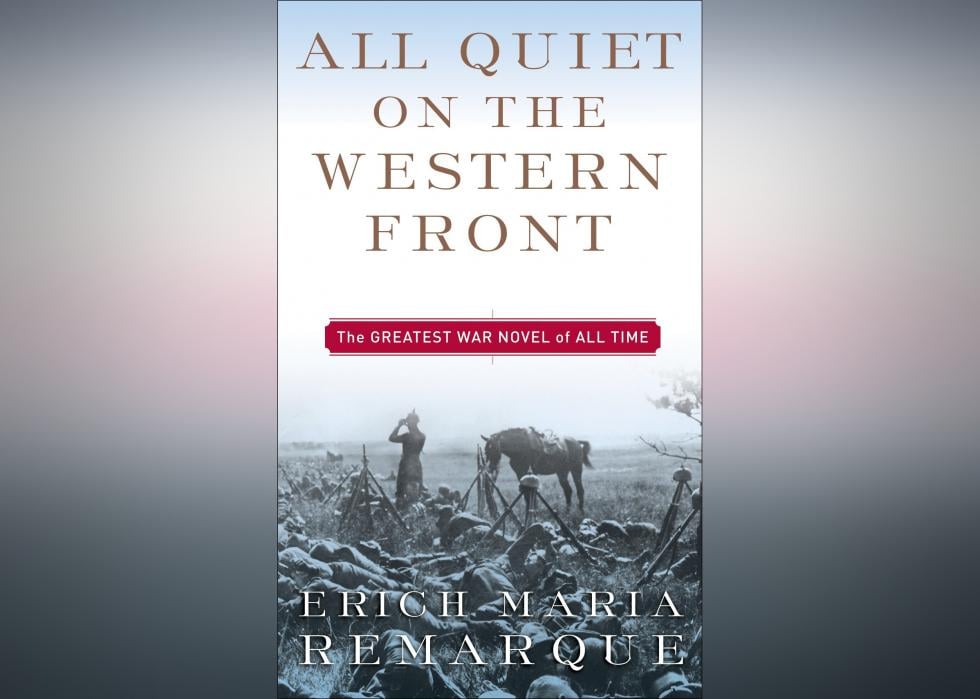
All Quiet on the Western Front

- Author: Erich Maria Remarque
- Date published: 1929

Although information technology's fiction, "All Quiet on the Western Front" gives readers an all-too-real wait at World War I. Written by a German veteran, the novel paints a brilliant flick of the social and emotional stress felt by the soldiers, too every bit the difficulty for many of them to readjust to civilian life after the fighting was over. During WWII, the heavy book was among those burned en masse by the Nazis.

63 / 100

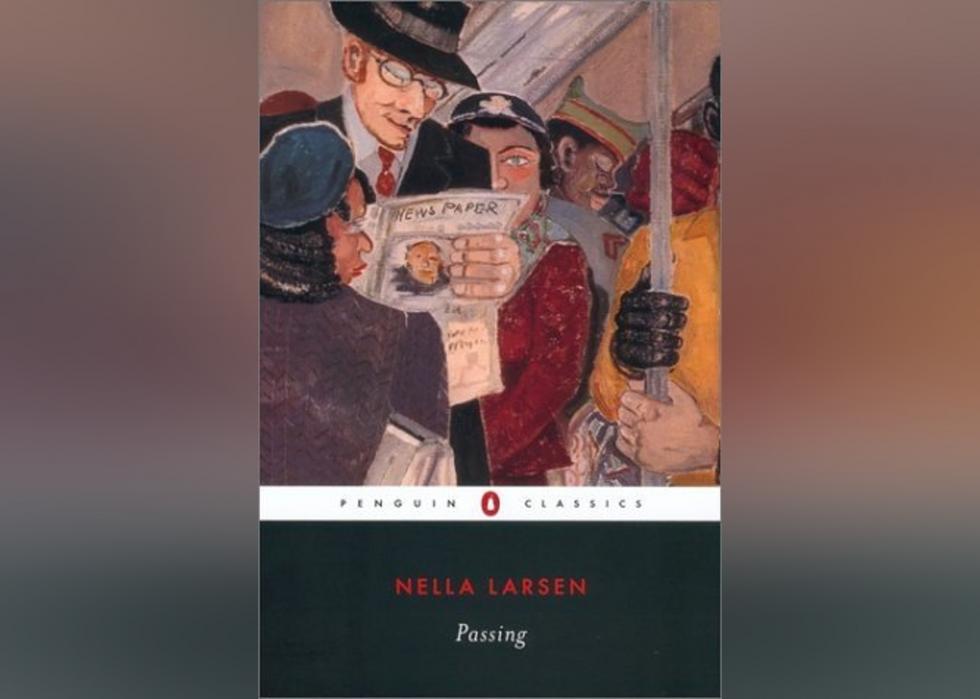
Passing

- Author: Nella Larsen
- Date published: 1929

Written past ane of the most preeminent female writers of the Harlem Renaissance, "Passing" was an instant success upon publication in 1929. The story of two one-time childhood friends and their renewed fascination with each other's lives, the book makes of import points about Americans' understanding of race and gender.

64 / 100

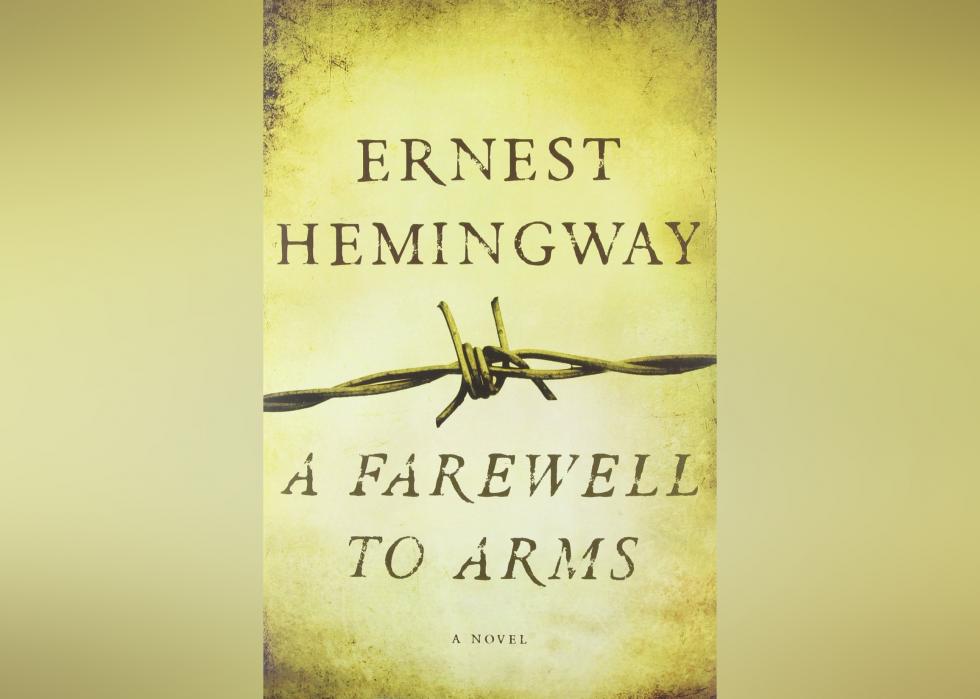
A Farewell to Arms

- Author: Ernest Hemingway
- Engagement published: 1929

"A Farewell to Arms" was Ernest Hemingway'due south first best-seller and America's most of import WWI novel. The semi-autobiographical book follows an ambulance driver who falls in dearest with an Italian nurse despite the horrors surrounding both of them. The novel was then important to Hemingway that he reportedly rewrote the ending almost 40 times in order to get the words exactly right.

65 / 100

The Sound and the Fury

- Writer: William Faulkner
- Engagement published: 1929

Prepare in Jefferson, Missouri, "The Sound and the Fury" centers on the Compson family, former Southern aristocrats and some of the most memorable characters in American literature. Separated into 4 sections, each piece of the book is told from the perspective of a different family fellow member and in a different narrative style. The book's success in the '30s certainly played a part in William Faulkner eventually winning the Nobel Prize in Literature.

You may also like: Space discoveries from the yr yous were born

66 / 100

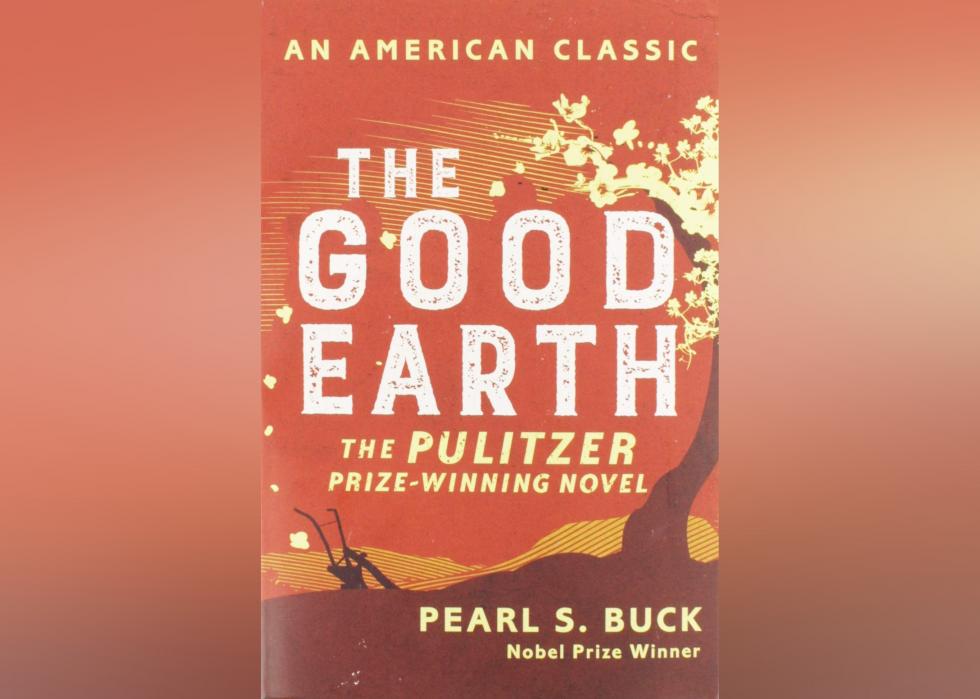
The Good Globe

- Author: Pearl S. Cadet
- Date published: 1931

Written by the girl of two missionaries in China, "The Good Earth" is almost life in agrarian China and pits the humble and goodhearted Wang Lung against the greedy, noble House of Hwang. The book may feel slowly paced to a mod reader, just for 1930s audiences information technology was impactful plenty to encourage them to consider the Chinese as allies in the impending WWII.

67 / 100

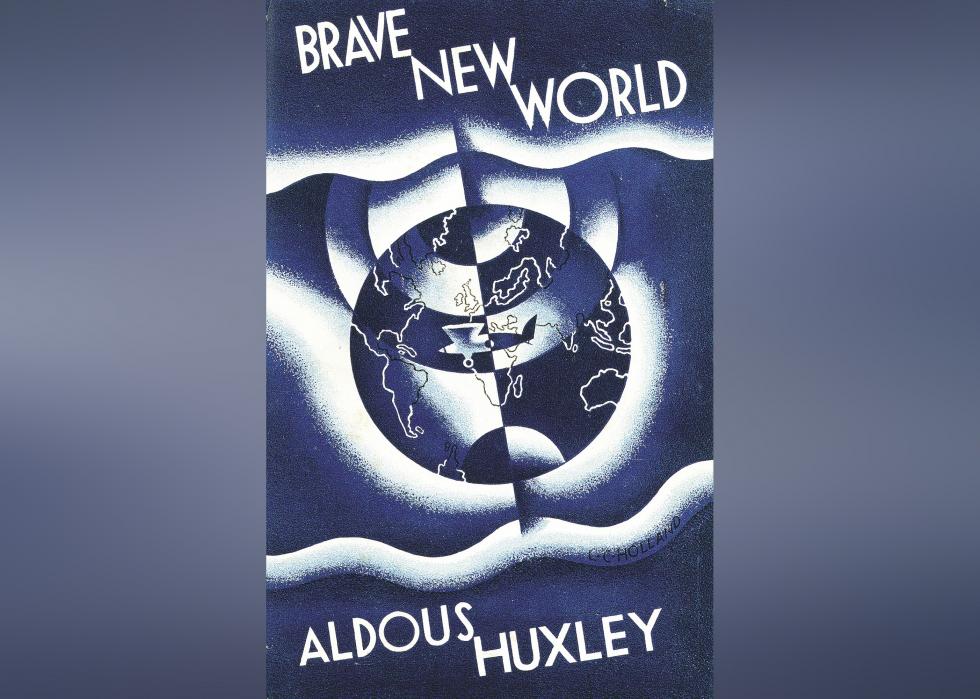
Dauntless New World

- Writer: Aldous Huxley
- Appointment published: 1932

Although "Dauntless New World" was published xc years ago, it is incredibly relevant to the current moment and the world we live in. A dystopian novel, Aldous Huxley imagines a future Earth State where citizens are placed in a hierarchy based on their (genetically modified) intelligence and the entire culture is conditioned to follow the authorities blindly. The book acts every bit a alarm against state control, consumerism, and the lack of individuality.

68 / 100

Their Optics Were Watching God

- Author: Zora Neale Hurston
- Date published: 1937

Initially ill-received, Zora Neale Hurston's "Their Optics Were Watching God" has get a classic in Black and feminist literature in the intervening years. The book follows a young Blackness woman in the '30s who's badly searching for her own identity through three marriages and a physical journey back to her roots.

69 / 100

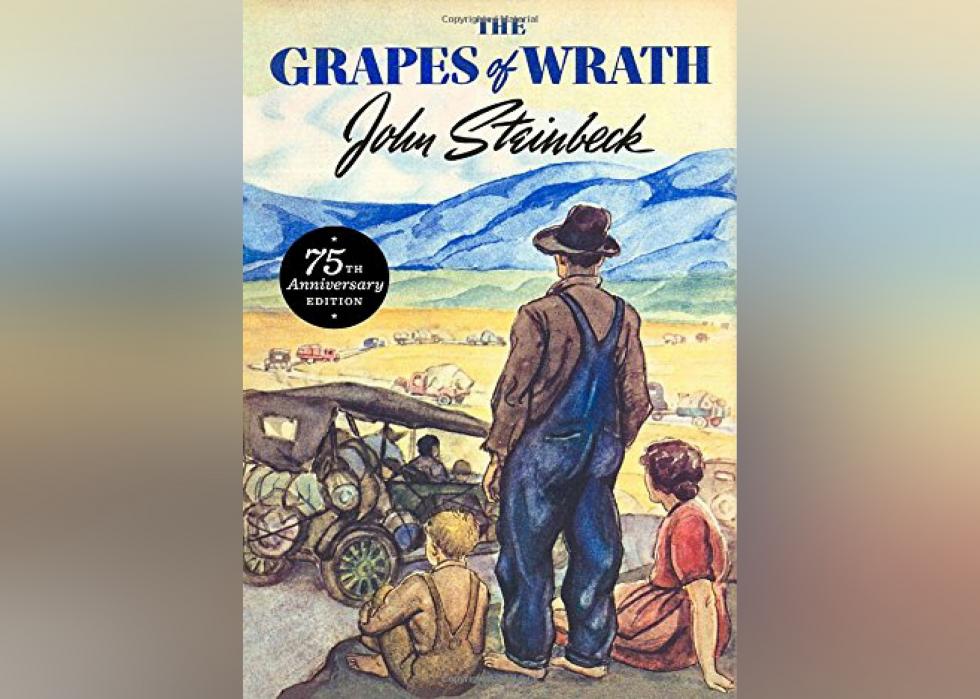
The Grapes of Wrath

- Author: John Steinbeck
- Date published: 1939

This Bang-up Depression novel both won the Pulitzer Prize and was publicly banned the yr information technology was published. "The Grapes of Wrath" follows the Joad family as they're pushed off their Oklahoma farm by effects of the Dust Bowl and travel by car across the country to California, "the promised country." The powerful drama underscores the vast gap between the haves and the have-nots in this country.

70 / 100

The Stranger

- Author: Albert Camus
- Date published: 1942

"The Stranger" is a story of a senseless murder. It's also a close expect at the philosophies of existentialism and the absurd. Readers of this curt and unproblematic work either identify with the primary graphic symbol's completely indifferent outlook on life—or detest it.

Y'all may as well like: Resilient photos of cities that recovered from state of war

71 / 100

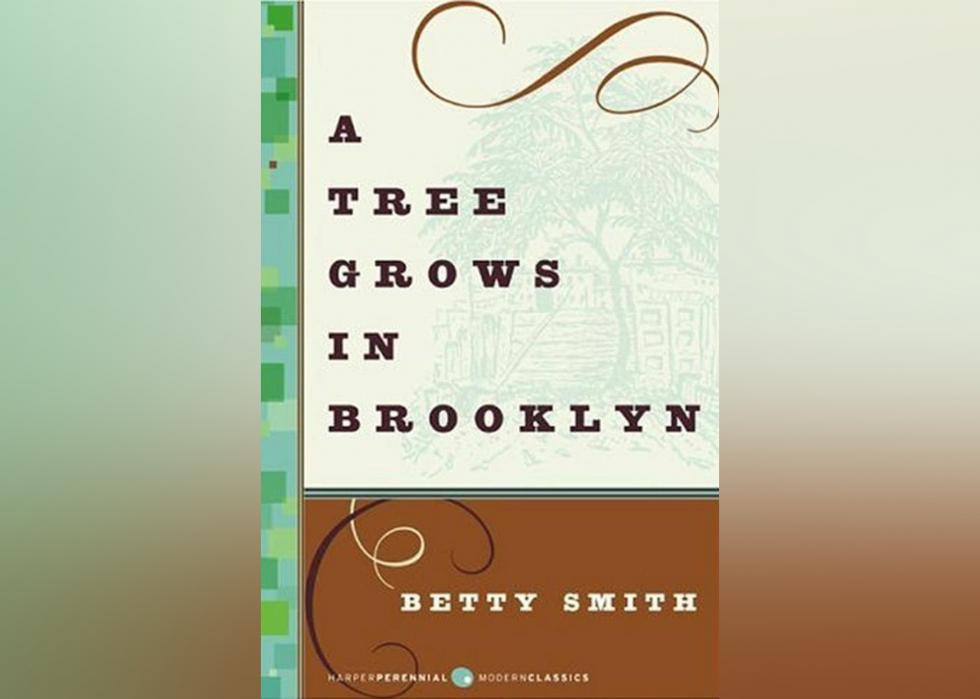
A Tree Grows in Brooklyn

- Author: Betty Smith
- Date published: 1943

"A Tree Grows in Brooklyn" is a coming-of-age tale featuring a immature woman raised in a tenement in Williamsburg, Brooklyn, at the outset of the 20th century. Emotional, honest, and at times downright hilarious, the book reminds readers that all i really needs to get through life is a tenacious attitude and a strong sense of self.

72 / 100

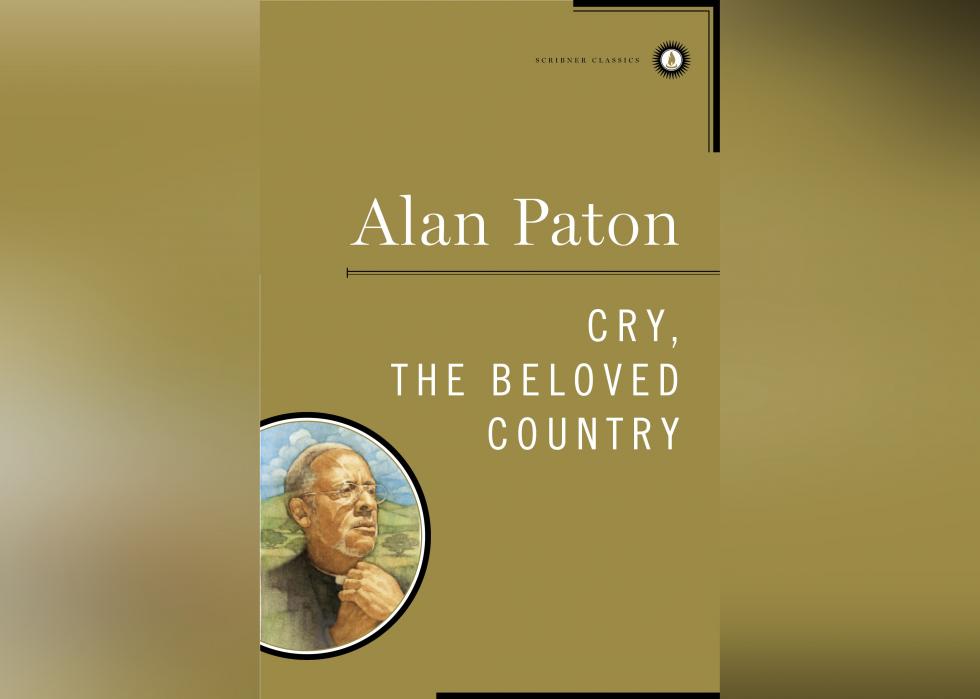
Cry, the Honey Country

- Author: Alan Paton
- Date published: 1948

The near important novel to come out of South Africa'southward apartheid era, "Cry, the Beloved State" is nigh a Black man's life in a Blackness country under white man's rule. Information technology follows a Zulu pastor, Stephen Kumalo, and his son, Absalom, equally they do their best to navigate life in a country that'due south torn autonomously by racial injustice.

73 / 100

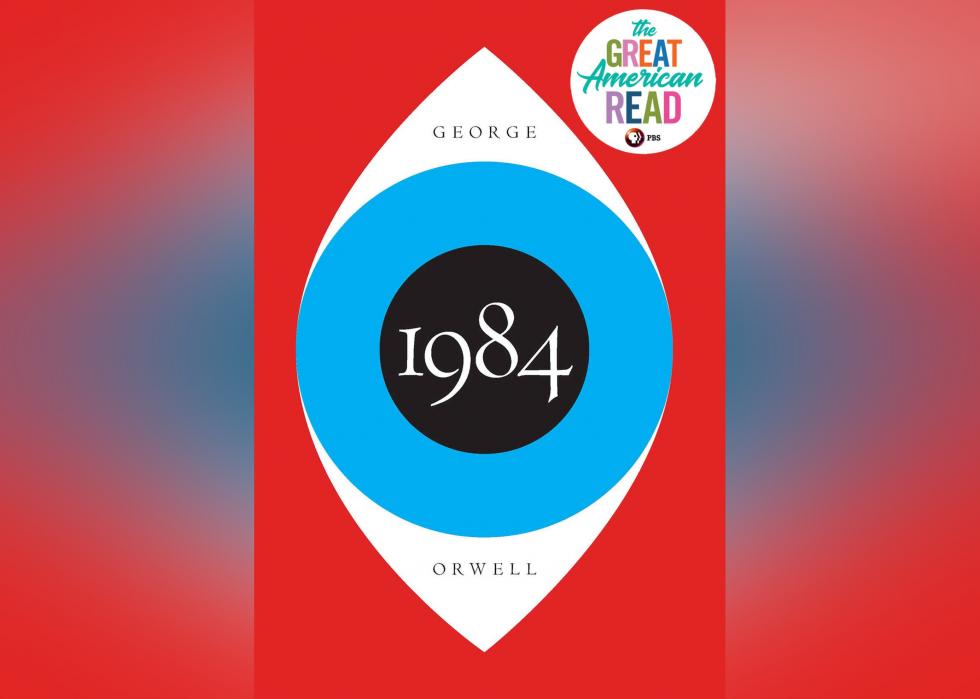
1984

- Writer: George Orwell
- Date published: 1949

Often paired with "A Brave New Earth," "1984" is another dystopian novel that'due south very relevant to today's earth. Often assigned reading for high school students, George Orwell imagines life in a totalitarian country where every move is watched by the Idea Law. When one man becomes disillusioned with the state and attempts to alter things, the consequences are swift and heavy.

74 / 100

Invisible Man

- Author: Ralph Ellison
- Date published: 1952

Narrated by a nameless character, "Invisible Man" examines the multitude of obstacles Black men confront in America. Taking identify in the Deep South, the streets of Harlem, Communist rallies, and underground "battle royals," the book won the National Volume Award for fiction in 1953.

75 / 100

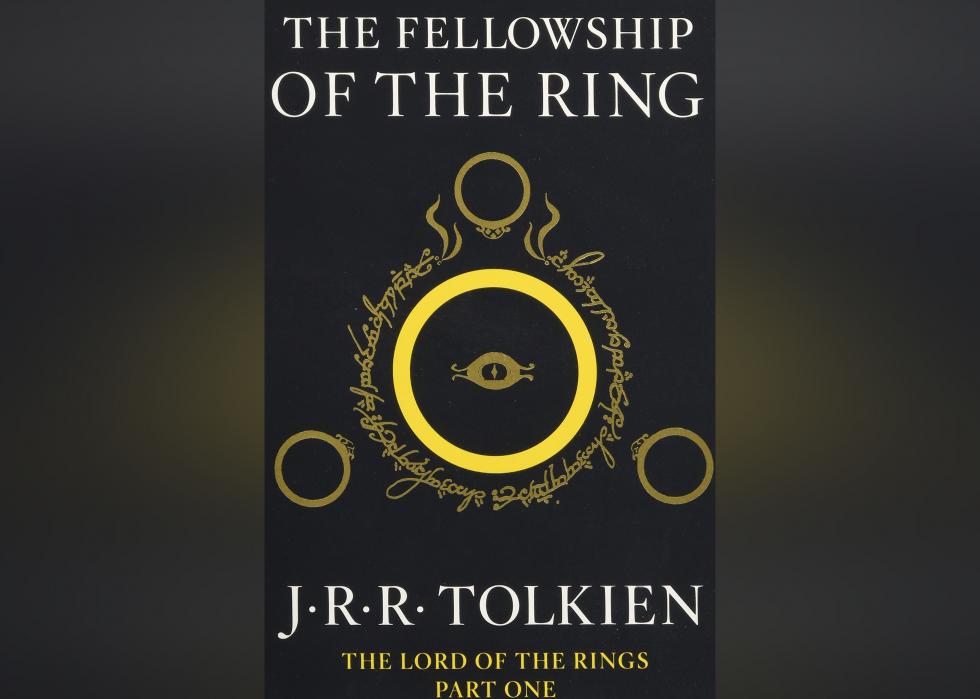
The Fellowship of the Ring

- Writer: J.R.R. Tolkien
- Date published: 1954

While the content of "The Fellowship of the Band" may not be as heavy equally the subject matter of many of the other books on this list, J.R.R. Tolkien's novel still earns its spot for its affect on fantasy literature. For the uninitiated, the volume, which is the first in a trilogy, follows a band of adventurers every bit they set out across Centre Globe to destroy a ring of great, nighttime power. Tolkien established many of the fantasy tropes used by subsequent authors.

You may also like: The 52 women who take won the Nobel prize

76 / 100

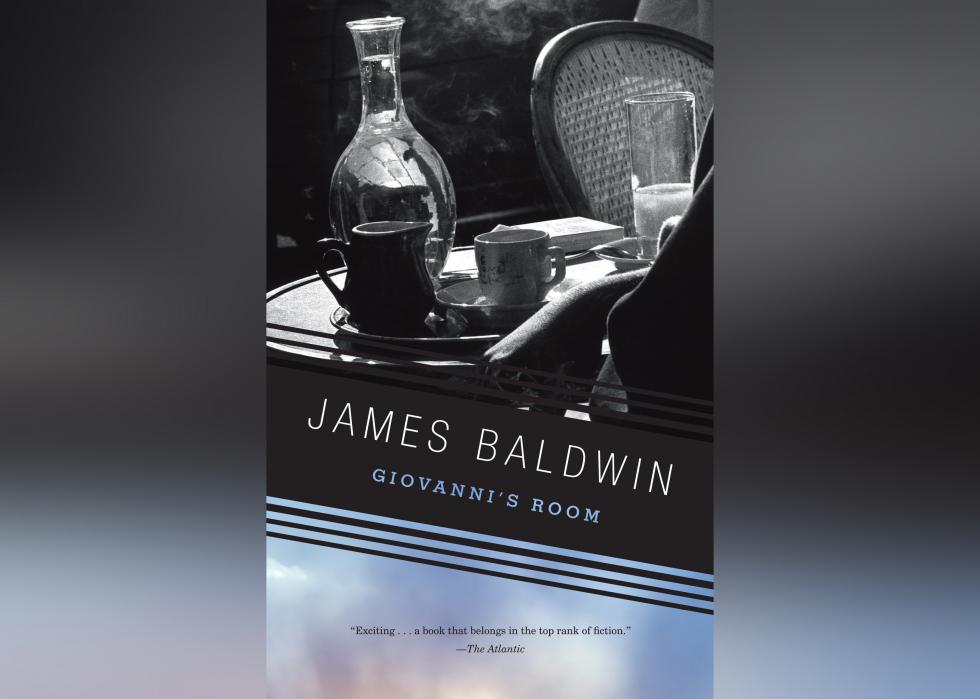
Giovanni'south Room

- Writer: James Baldwin
- Engagement published: 1956

Another classic of LGBTQ+ literature, "Giovanni'southward Room" is about an American living in Paris who's engaged to a adult female and involved in a homosexual matter with an Italian bartender. Masterfully written, the volume focuses on the inner turmoil of a person defenseless betwixt the life society tells him he should live and the life he sees for himself. James Baldwin's controversial work is credited with opening the door for a wider conversation almost homosexuality and bisexuality.

77 / 100

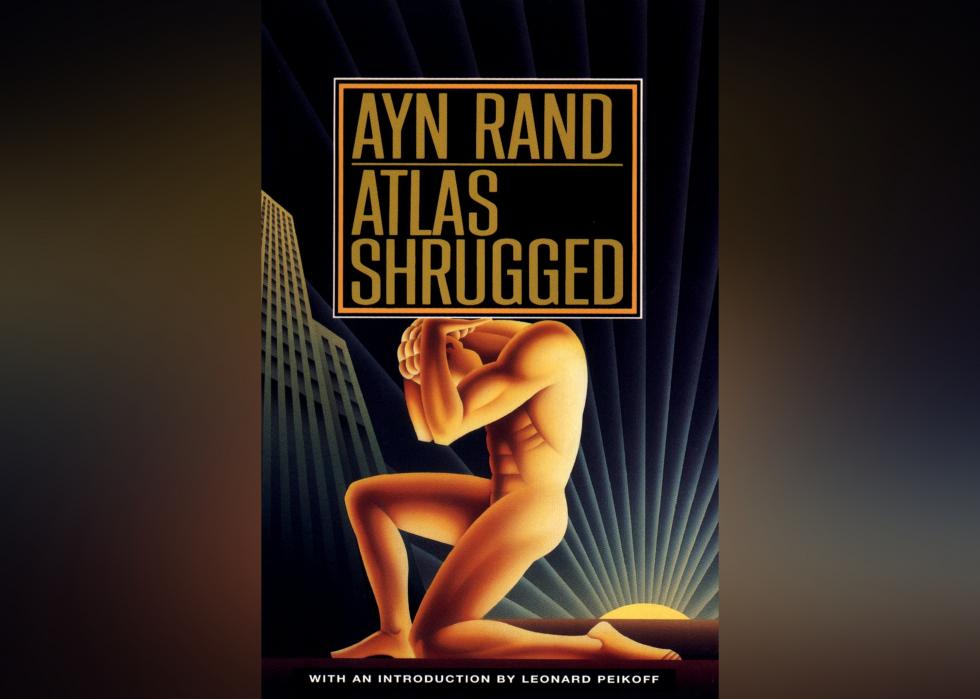
Atlas Shrugged

- Author: Ayn Rand
- Date published: 1957

Ayn Rand herself considered "Atlas Shrugged" to be her magnum opus. In the book, Rand fleshes out her philosophy of objectivism through a dystopian story where private business owners are increasingly put upon by the regime and decide to leave everything backside to begin their own capitalist society. While not widely dearest at showtime, the book has demonstrated great staying power and is all the same read all over the globe to this day.

78 / 100

Things Autumn Apart

- Author: Chinua Achebe
- Appointment published: 1958

One of the first African novels to reach international acclaim, "Things Fall Apart" is about life in pre-colonial Nigeria as told through the eyes of a "strong human" named Okonkwo. Often compared to Greek and Roman tragedies, the book examines how association and village life was negatively afflicted by the arrival of European colonizers and Christian missionaries.

79 / 100

To Impale a Mockingbird

- Author: Harper Lee
- Date published: 1960

"To Impale a Mockingbird" is ready in a pocket-sized Southern town and is at once a story of childhood and one of a identify rocked by a crisis of conscience. While modern attitudes surrounding the volume have shifted slightly, with many pointing to the "white savior" complex written into lawyer Atticus Finch, there's no denying how big an impact this American classic had toward racist attitudes in the '60s. The impact was so big that it earned reclusive author Harper Lee the Pulitzer Prize the following year.

lxxx / 100

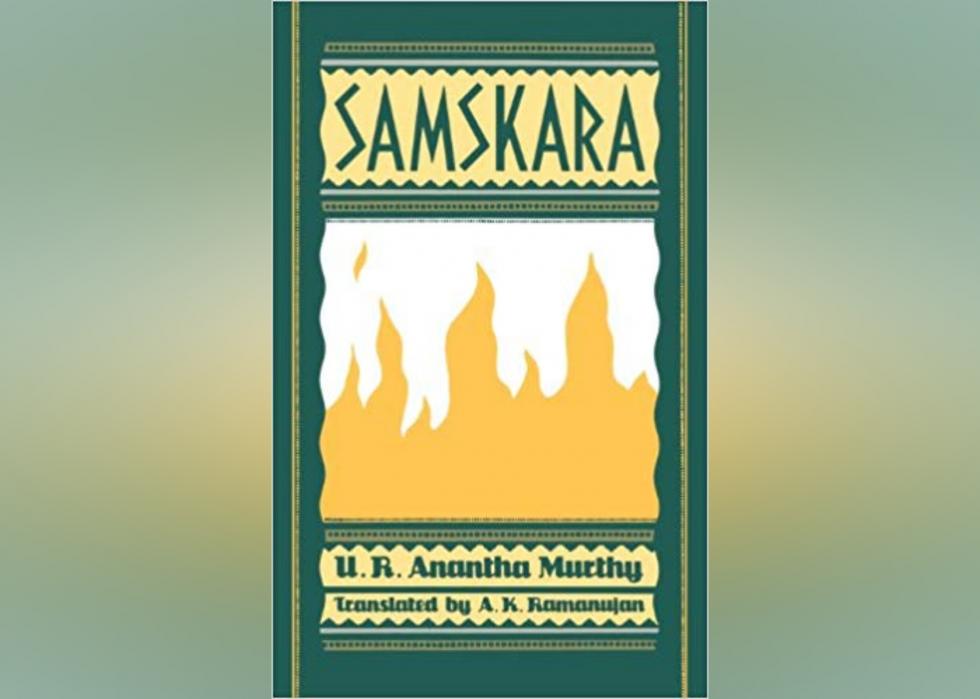
Samskara: A Rite for a Dead Man

- Writer: U.R. Ananthamurthy
- Date published: 1965

"Samskara: A Rite for a Dead Homo" begins with the death of Naranappa, a renegade Brahmin who has flouted the Hindu rules of purity for years. Equally his village argues most whether or not his trunk should be given a proper burying, they are forced to reckon with the questions of God, religion, and rebirth.

81 / 100

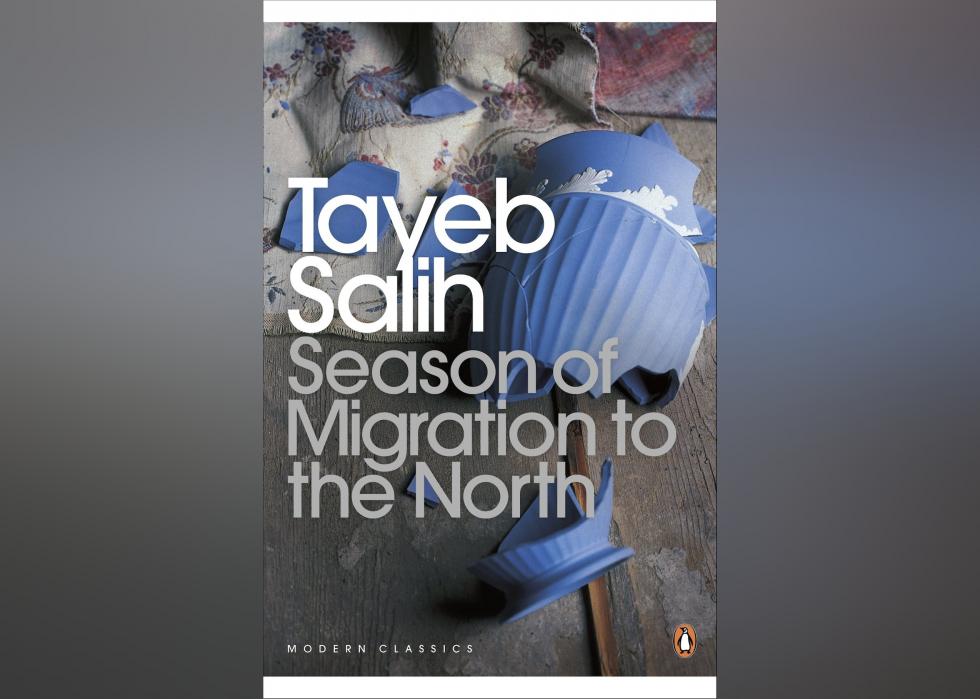
Season of Migration to the North

- Author: Tayeb Salih
- Date published: 1966

Ane of the most impactful novels in Standard arabic literature, "Flavor of Migration to the Due north" is concerned with the bear upon of Western colonialism on rural African societies, particularly in Sudan. This is the story of two men who return to their native Sudan later jaunts in Europe, ane turned into a monster by the disharmonism of cultures, the other doing his best to hold both parts of his identity together despite their obvious dissonance. The book itself is considered a turning point in postcolonial narratives.
82 / 100

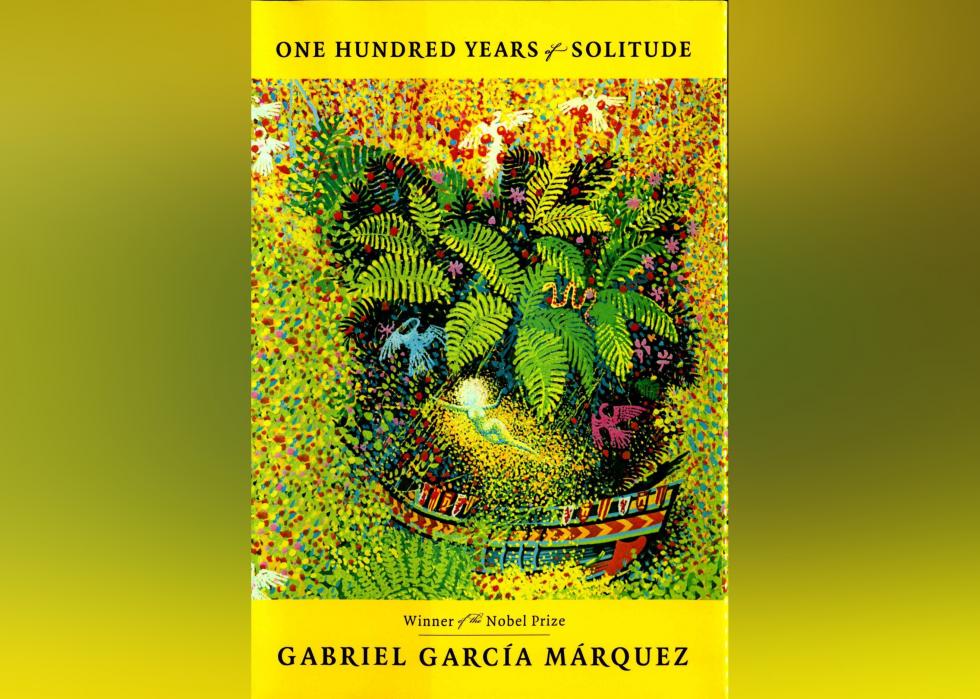
Ane Hundred Years of Solitude

- Author: Gabriel Garcia Marquez
- Engagement published: 1967

Columbian author Gabriel Garcia Marquez published his magical-realism masterpiece "One Hundred Years of Solitude" in 1967. The book follows several generations of the Buendia family, whose patriarch founded the fictional town of Macondo. It deals with themes like solitude, the repetition of history, the fluidity of time, and elitism.

83 / 100

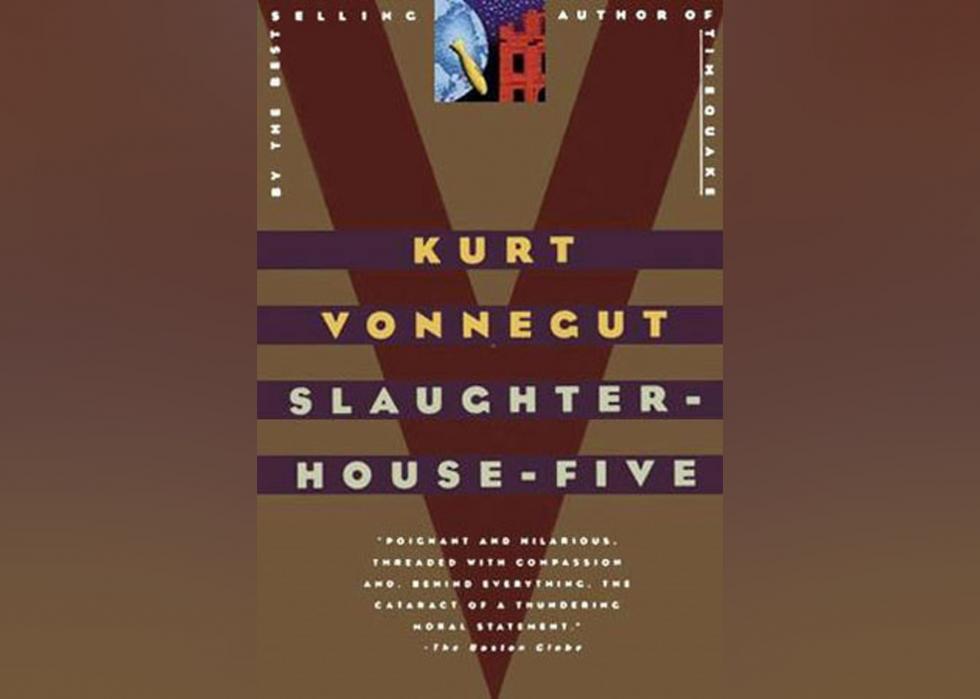
Slaughterhouse-Five

- Author: Kurt Vonnegut Jr.
- Date published: 1969

The science-fiction, antiwar novel "Slaughterhouse-V" follows Baton Pilgrim through WWII as he survives a bombing, spends time in a prisoner-of-state of war camp, readjusts to civilian life, and occasionally time-travels. The novel has been subject to many banning and censorship campaigns thank you to its frank tone and often vulgar content.
84 / 100

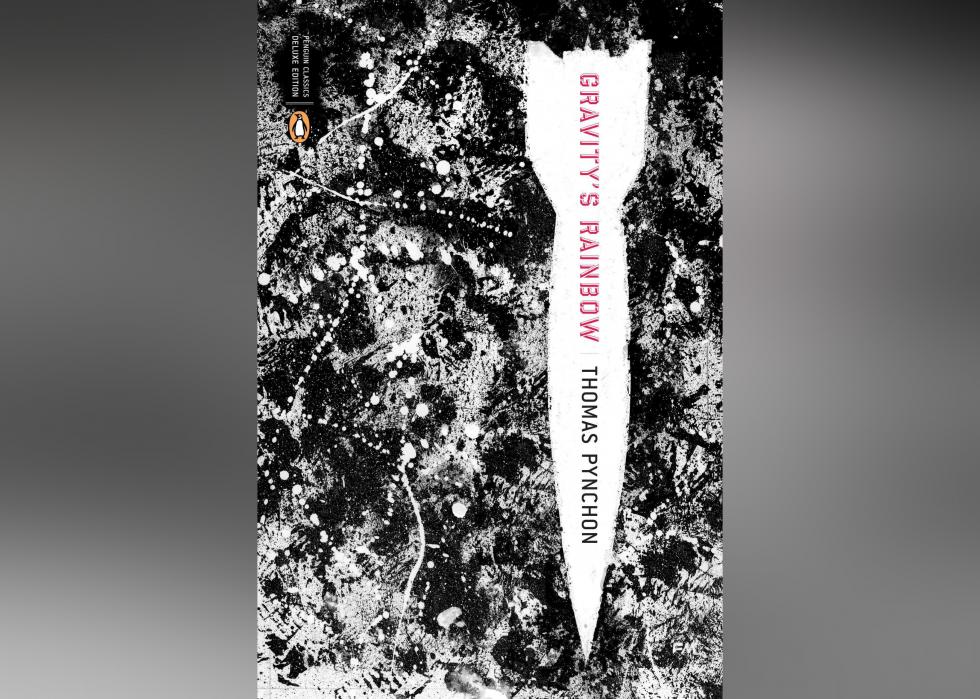
Gravity's Rainbow

- Author: Thomas Pynchon
- Date published: 1973

A postmodern ballsy, "Gravity's Rainbow" is to the second half of the 20th century what "Ulysses" was to the start half. Set in Europe mail-WWII, the book primarily focuses on the plan responsible for Germany's 5-two rockets and the mysterious inclusion of a "blackness device" in one of these rockets. Although information technology won the National Book Award, Thomas Pynchon refused to accept or even acknowledge the victory.

85 / 100

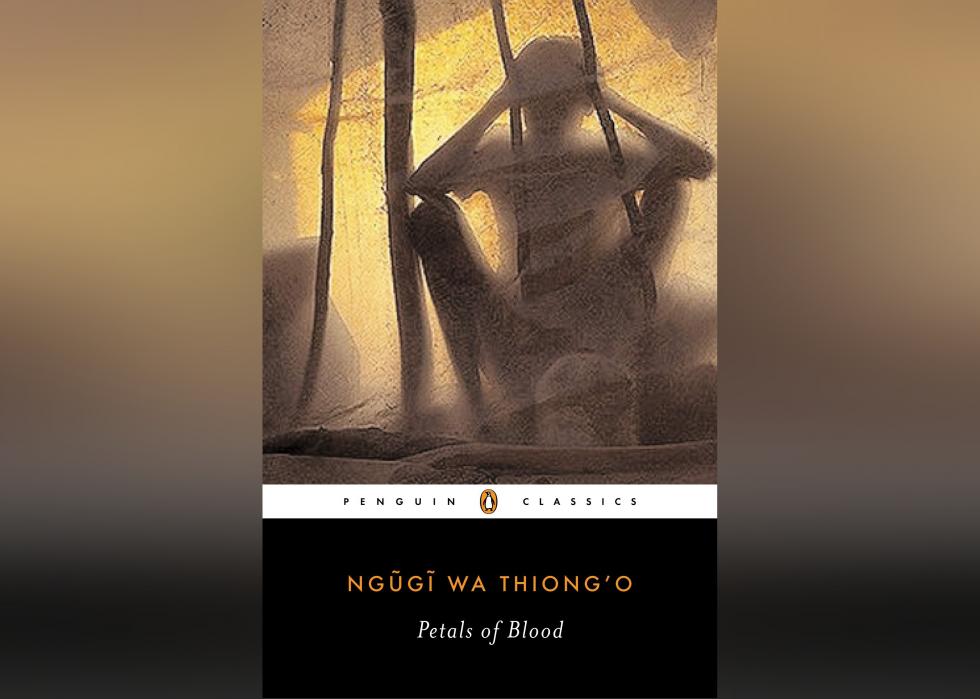
Petals of Blood

- Writer: Ngugi wa Thiong'o
- Date published: 1977

On the surface, "Petals of Blood" is nearly the investigation of a triple murder in Kenya. However, a deeper read reveals that the book is actually speaking about the Mau Mau Rebellion and a people who are disillusioned with leadership that has failed to pull their country out of its "developing nation" condition. The book made such an impact upon publication that its author, Ngugi wa Thiong'o, was jailed without charges—an incident that ignited protests around the earth.

86 / 100

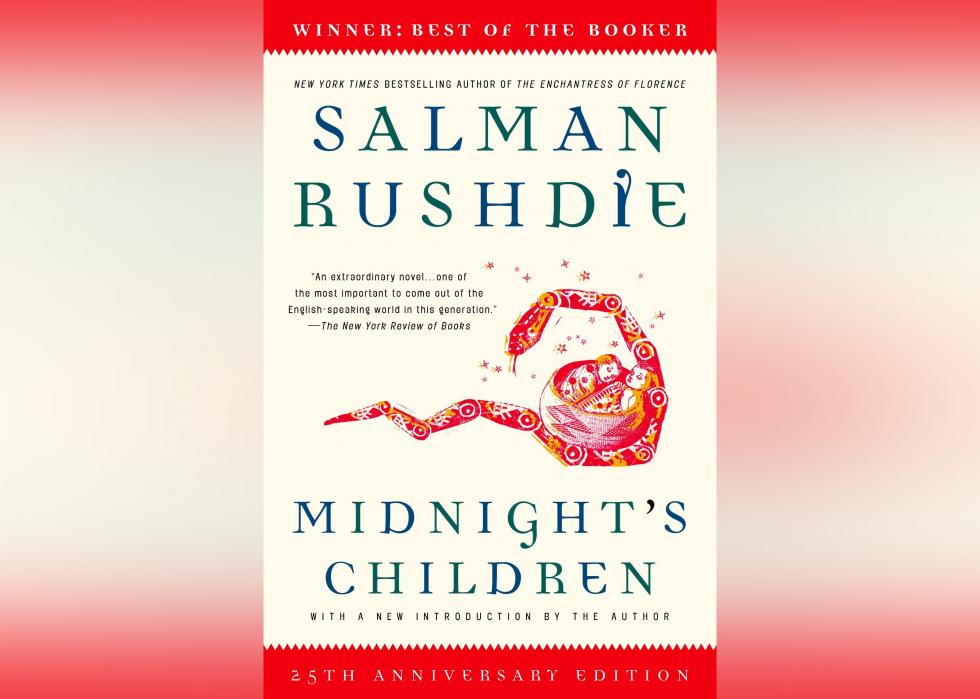
Midnight'south Children

- Author: Salman Rushdie
- Engagement published: 1981

"Midnight's Children" is essentially about India'southward independence from colonialism and the sectionalization of the country. Told through the eyes of one of the one,001 children born at midnight on its independence 24-hour interval, the book examines what it ways to exist a master and a victim of a sure point in history. Massively popular in both the U.K. and the United States, the novel has won a host of international awards.

87 / 100

The Color Purple

- Author: Alice Walker
- Date published: 1982

An epistolary novel, "The Color Majestic" is a drove of letters written between sisters in rural Georgia during the early 20th century. A touchstone of Black American literature, the volume was one of the first to suspension the silence on domestic and sexual abuse and violence. Because of that content, the book is often challenged and has even been banned at certain points.

88 / 100

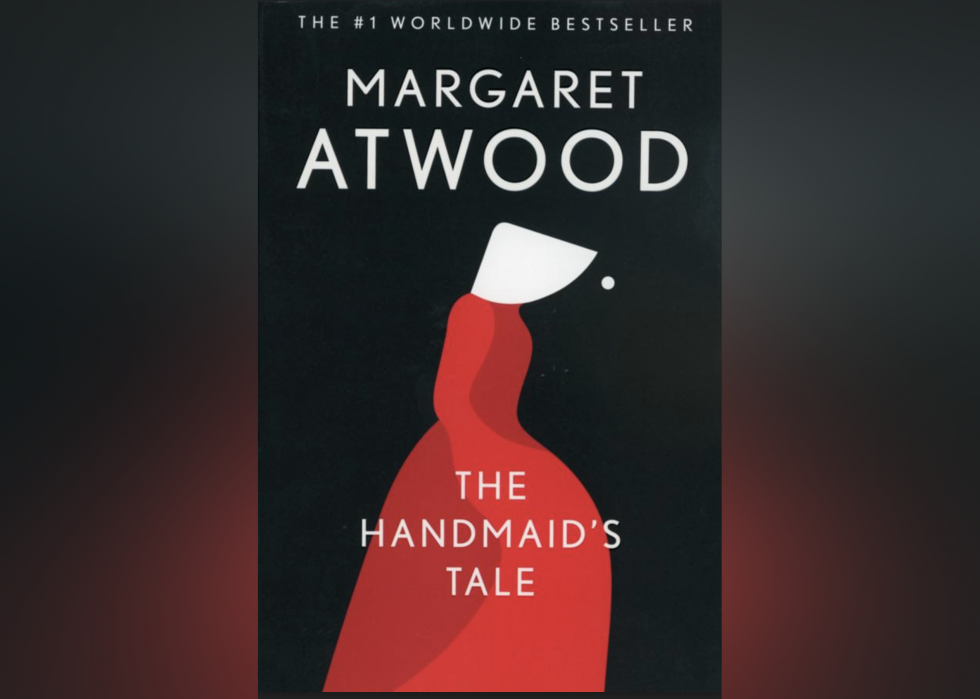
The Handmaid'due south Tale

- Author: Margaret Atwood
- Date published: 1985

Over the past several years, Margaret Atwood'due south "The Handmaid's Tale" has benefited from renewed popularity, largely thanks to the release of the Hulu Television set serial based on the novel. Margaret Atwood's dystopian novel imagines a totalitarian land where women are belongings and their bodies tools used merely to advance the calendar and ability of the country, the Republic of Gilead. A scathing, satirical warning, the book is a cornerstone of feminist literature.
89 / 100

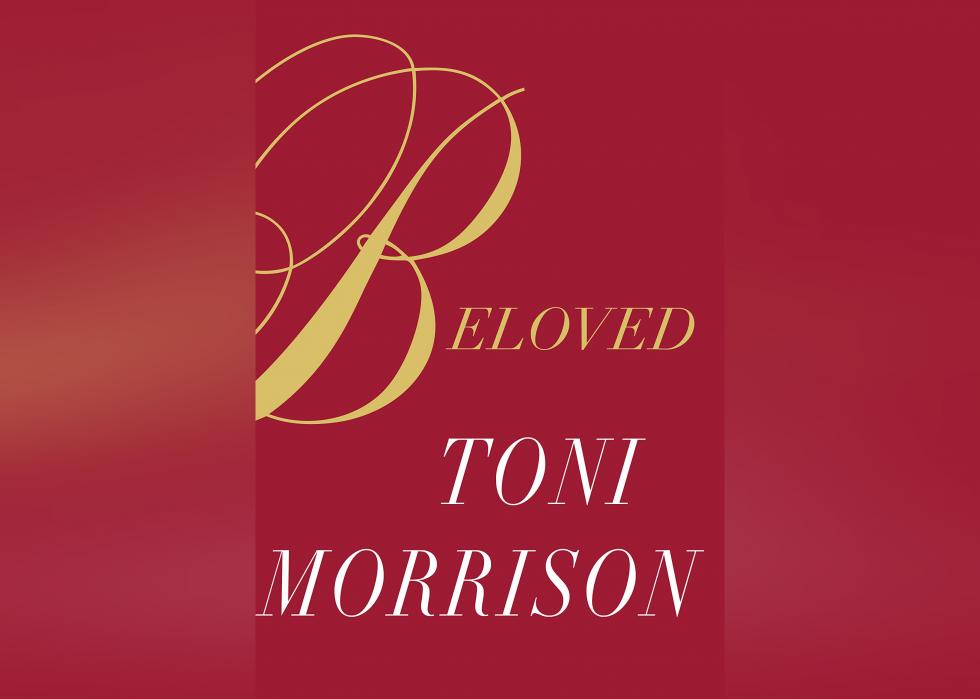
Beloved

- Author: Toni Morrison
- Date published: 1987

Ready but after the Civil War, "Beloved" was inspired by a real-life woman, Margaret Garner. It'south a story of a former enslaved adult female who tin't beat back her memories of the past or its influence over her, no matter how difficult she tries. Toni Morrison'southward most acclaimed piece of work, the novel is currently banned in some U.S. public schools thank you to its racial and sexual content.

90 / 100

The Alchemist

- Author: Paulo Coelho
- Date published: 1988

"The Alchemist" holds the distinction of being one of the about translated books of all time, currently bachelor to read in 67 languages. The enchanting and lyrical tale follows a shepherd boy as he travels from his native Spain to Egypt in search of an elusive treasure. Along the way, he learns invaluable lessons about life and the worth we all have inside ourselves.

91 / 100

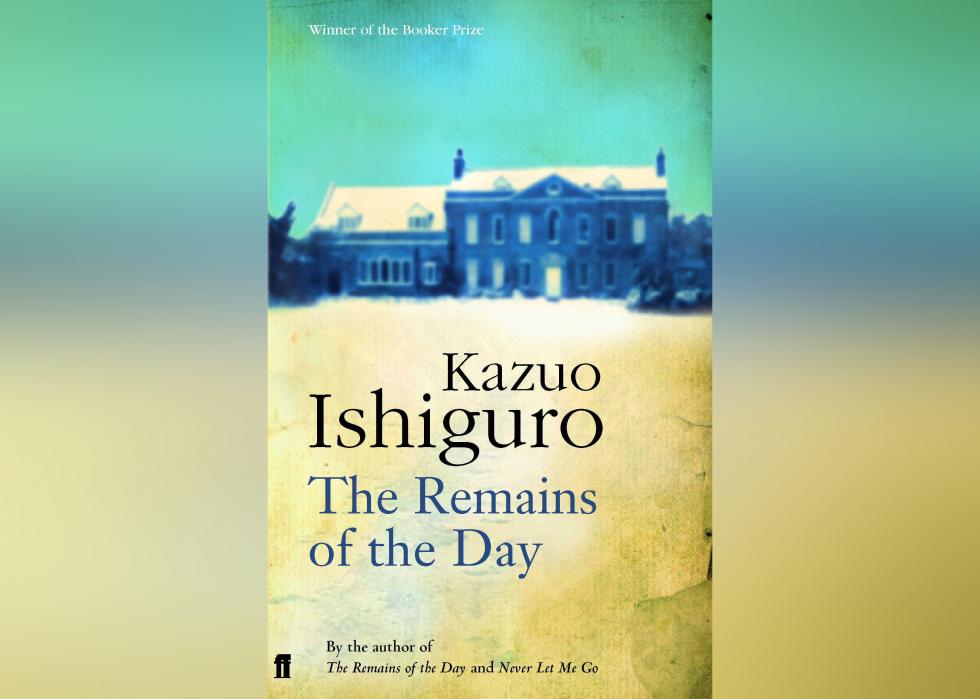
The Remains of the Day

- Author: Kazuo Ishiguro
- Appointment published: 1989

"The Remains of the Day" is a slow-paced novel filled with the musings of a butler about the stop of his career. Stevens, devoted to a life of service, has missed out on several opportunities, including a possible romance with a former housekeeper. Nearing the end of his professional life, he begins to realize that the loyalty he'due south shown to his work and primary may have been misplaced. The novel won the Human being Booker Prize the year of its release.
92 / 100

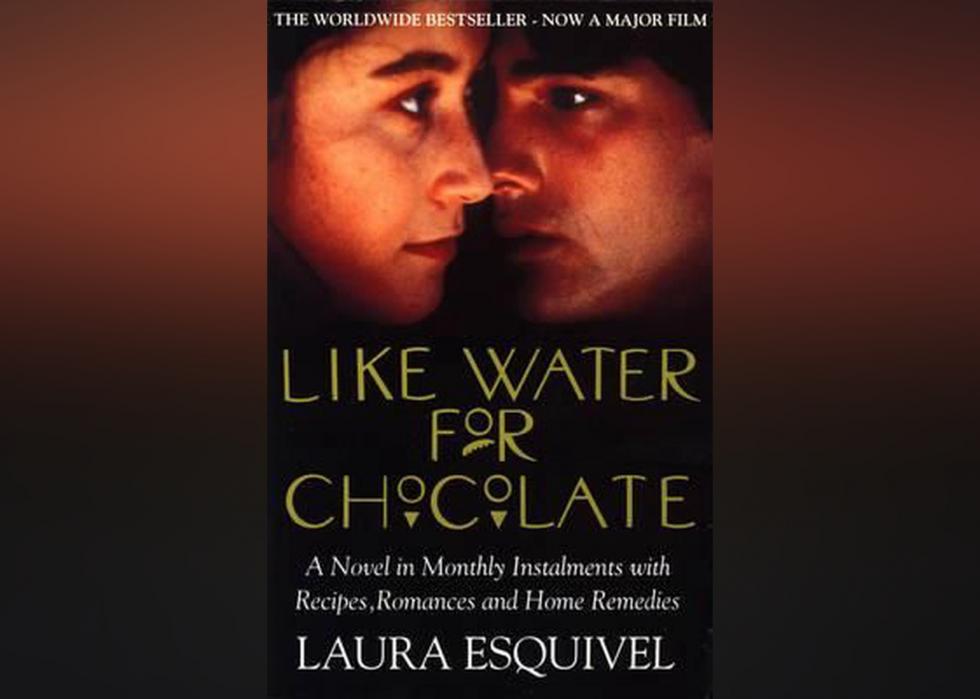
Like H2o for Chocolate

- Author: Laura Esquivel
- Date published: 1989

Mexican author Laura Esquivel'due south "Similar Water for Chocolate" was a #1 best-seller in her native state and in the United States for two years after its publication. It's the story of a young Mexican adult female, Tita, who is forbidden from marrying her lover, Pedro, and must care for her ailing mother instead. A tragic, heart-wrenching story, the book includes elements of magical realism similar to Gabriel Garcia Marquez's work.

93 / 100

The Things They Carried

- Author: Tim O'Brien
- Engagement published: 1990

A collection of linked fictional episodes, "The Things They Carried" follows a platoon of American soldiers through the Vietnam War and after returning home. A veteran himself, O'Brien makes every endeavor to steer clear of the politicization of the war, but his work ensures that everyone back home understands what it was really like out there in the jungles.

94 / 100

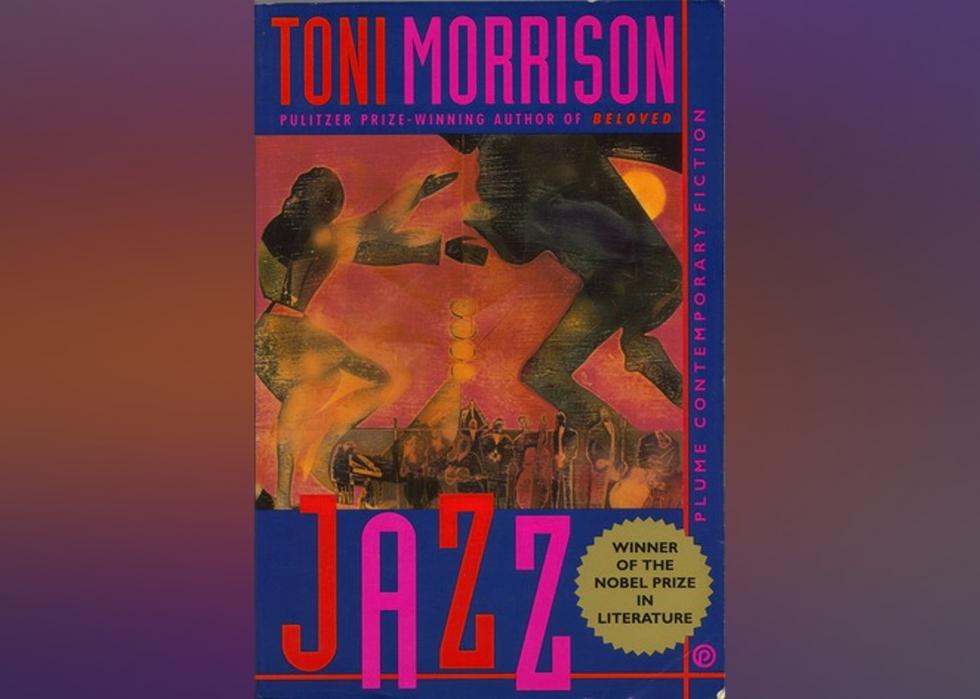
Jazz

- Author: Toni Morrison
- Date published: 1992

While the content of Toni Morrison'southward work always stands apart from her contemporaries, with "Jazz" it's really the style of the novel that makes it such a must-read. Set in Harlem in the 1920s, the book mimics Jazz music, with individual characters "improvising" solo sections of the book, oftentimes in a "call and response" format, which all come together to create a melodic whole.

95 / 100

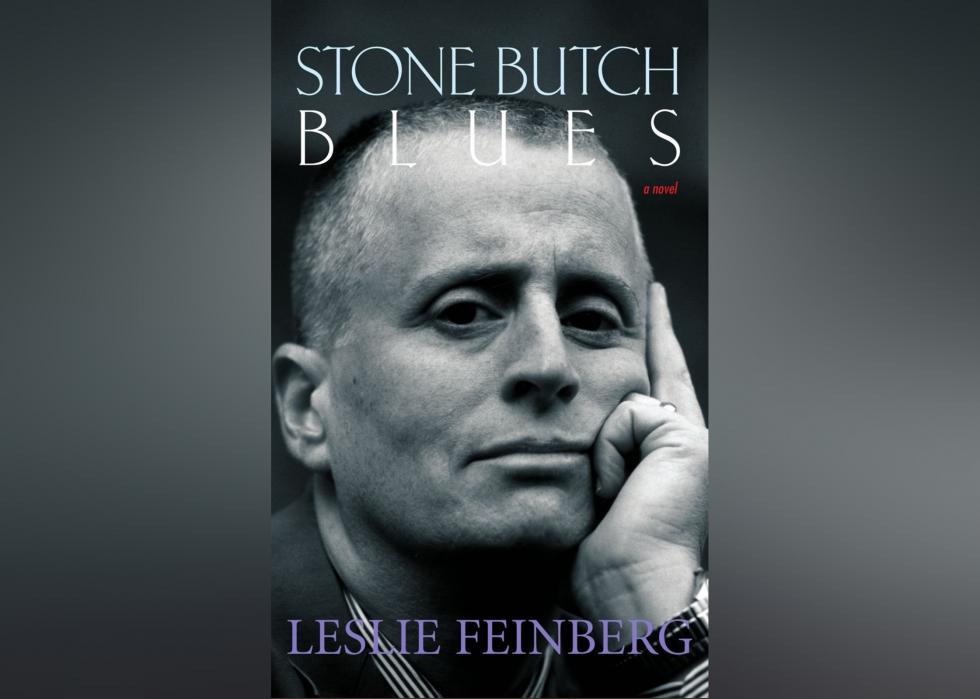
Stone Butch Blues

- Author: Leslie Feinberg
- Engagement published: 1993

"Stone Butch Dejection" was once an clandestine classic, but over the by decade information technology has go a much more widely read hitting. The book follows Jess Goldberg, a masculine girl growing up in Upstate New York during the '50s and '60s and coming to terms with her ain identity as a lesbian. Prepare in a pre-Stonewall world, when social pressures and politics kept many from living as their truthful selves, the volume packs a powerful message about identity and acceptance.

96 / 100

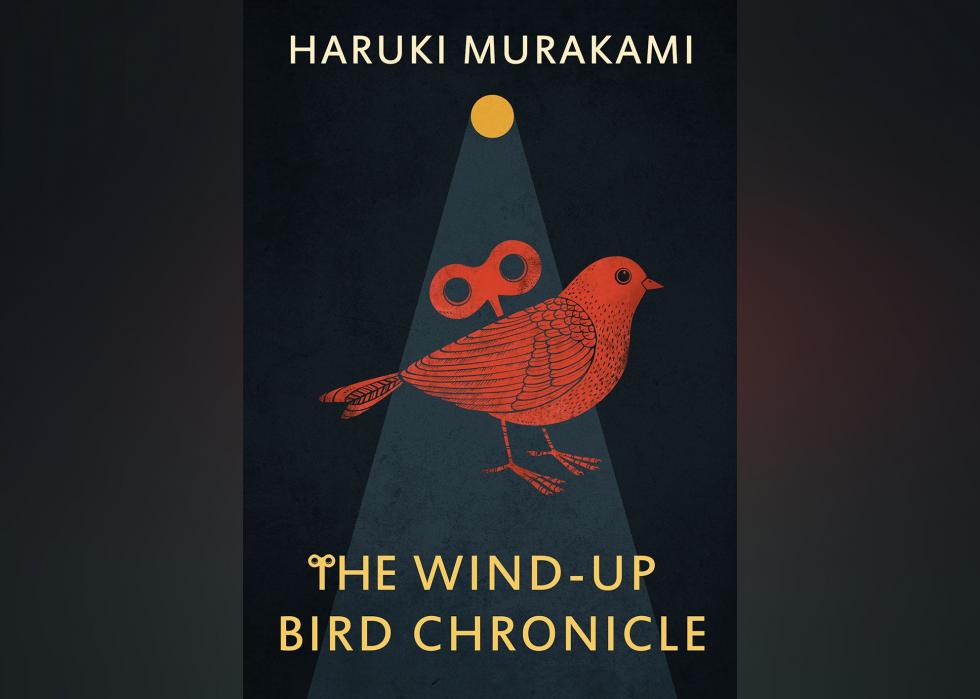
The Wind-Upwardly Bird Chronicle

- Author: Haruki Murakami
- Engagement published: 1994

Haruki Murakami's "The Wind-Up Bird Chronicle" is best described as sci-fi meets magical realism. The book follows a Japanese man who goes in search of his married woman and her cat, both of whom have disappeared under mysterious circumstances. His search takes him into the netherworld and reveals long-buried secrets about WWII.

97 / 100

Infinite Jest

- Author: David Foster Wallace
- Date published: 1996

Cataloged equally an "encyclopedic" novel, "Infinite Jest" stands out for both its content and its course. Set in a tennis academy and a halfway house in a future mutation of our world, the novel follows one of the near messed-upwardly families to appear in modernistic literature, a group of political radicals, a group of recovering addicts, and a group of elite tennis players. Throughout its 1,088 pages, it also experiments with endnotes, racking up nearly 400 in full by the terminate of the volume. While a literary best-seller, the book is inappreciably for the faint of heart (or attending span).

98 / 100

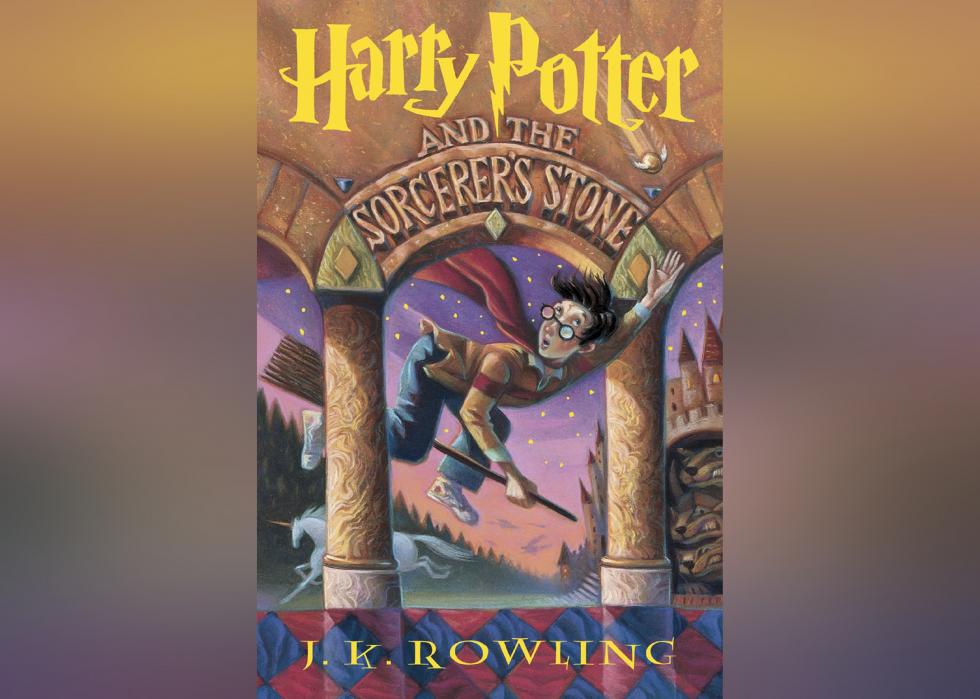
Harry Potter and the Sorcerer'southward Stone

- Author: J.1000. Rowling
- Date published: 1997

While it remains to be seen whether or not "Harry Potter and the Sorcerer's Stone" will stand the examination of fourth dimension, the result the book has had on literature as a whole is indisputable. The tale about a boy wizard launched a series that would go on to sell more than 450 million copies, be translated into 67 languages, and make J.Chiliad. Rowling the offset billionaire author.

99 / 100

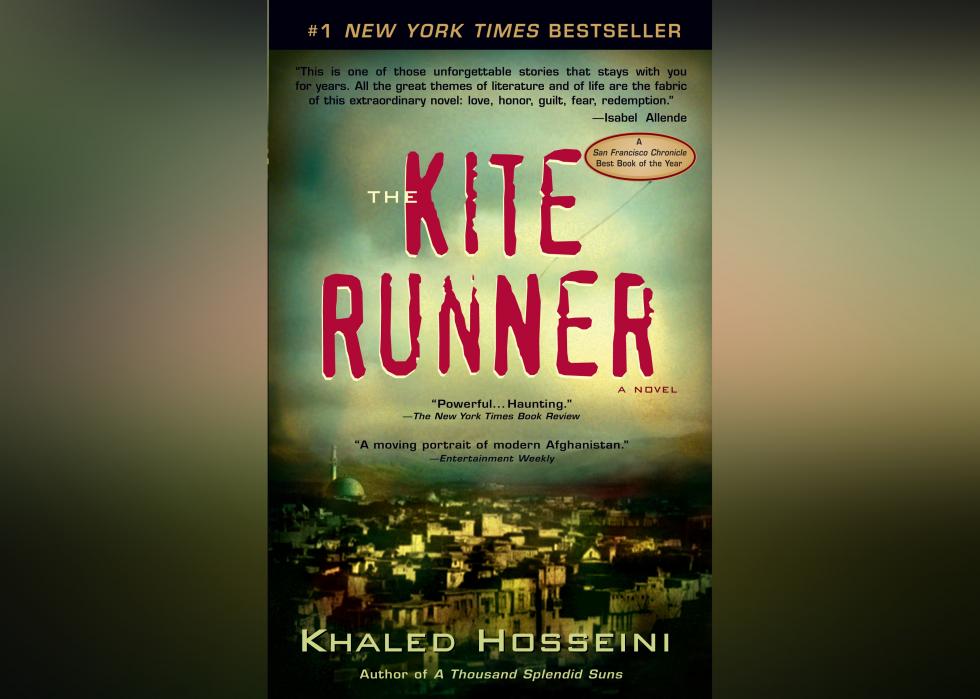
The Kite Runner

- Writer: Khaled Hosseini
- Appointment published: 2003

"The Kite Runner" is set in Afghanistan during the fall of the country's monarchy, the Soviet-Afghan State of war, and the rise of the Taliban. The story of fathers and sons, friendship, redemption, and reading, the book primarily follows Amir and Hassan, childhood friends torn apart past a horrific act. The novel spent over two years on the New York Times All-time Seller list.

100 / 100

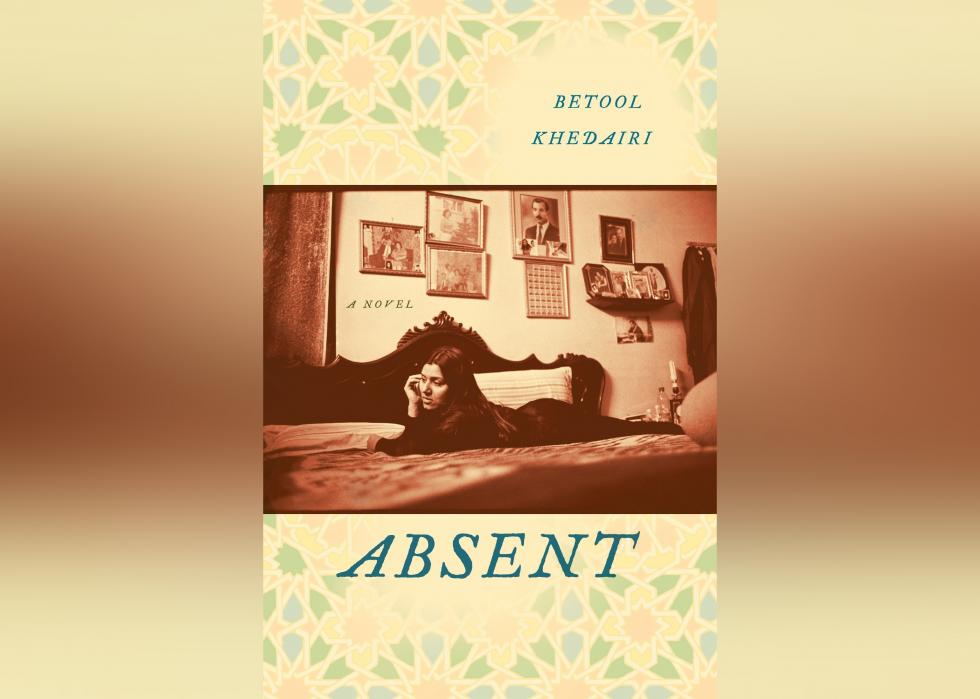
Absent

- Author: Betool Khedairi
- Date published: 2004

Partly a coming-of-age novel, "Absent-minded" follows a teenage girl, Dalal, who lives with her uncle and aunt in a Baghdad apartment as she undertakes existent responsibility for the first fourth dimension and begins to fall in love. The book is likewise an test of life nether restrictions and amongst unthinkable violence, too every bit the ability of the man spirit.

Trending At present